Indianz.Com > News > Native Sun News Today: Congress approves bills to address MMIW crisis
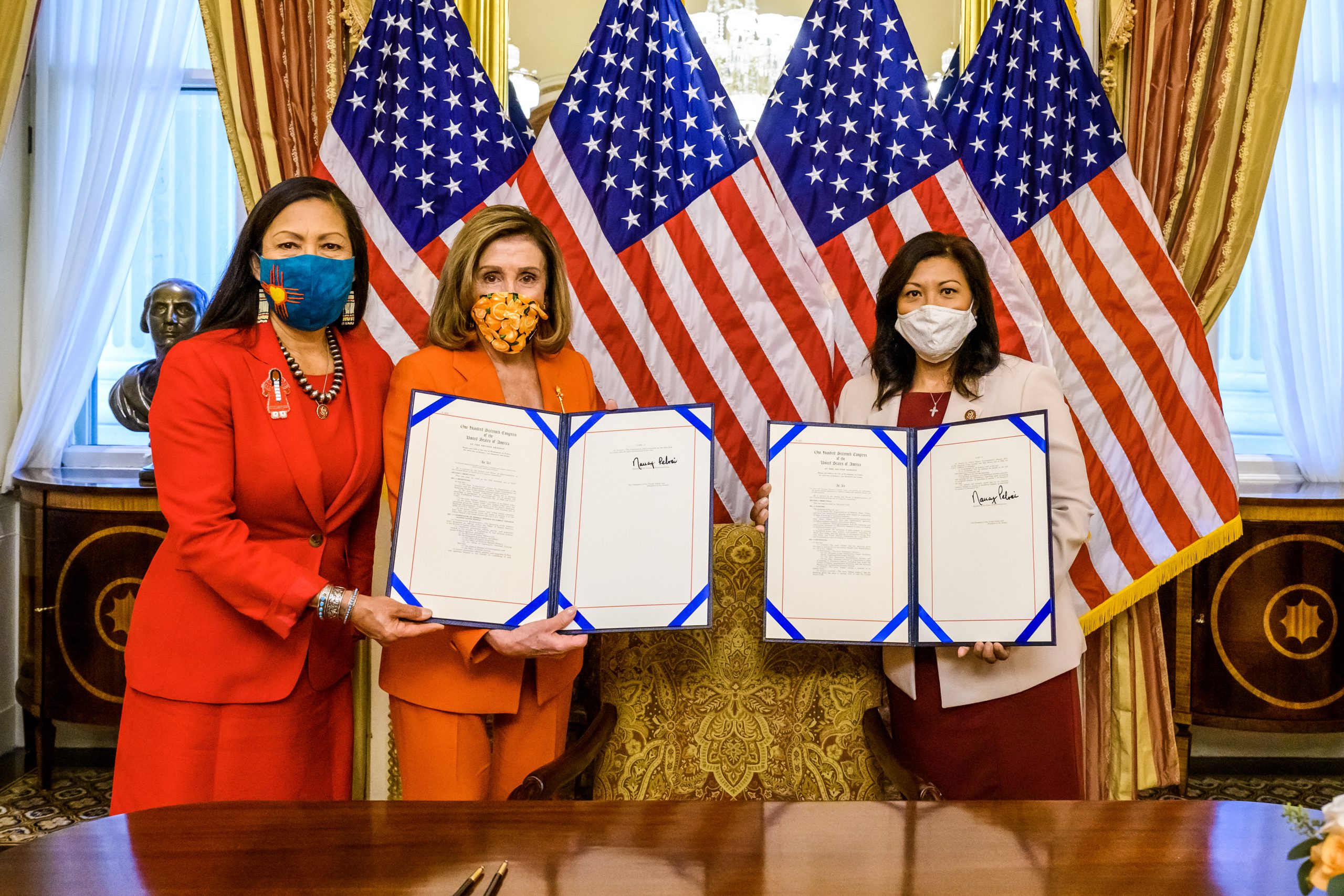
Celebrating Savanna’s Act passage
Thursday, October 1, 2020
Native Sun News Today Health & Environment Editor
• PHOTOS: Not Invisible Act and Savanna’s Act at U.S. Capitol
WASHINGTON, D.C. – Countless hours of tribal official and grassroots advocacy for missing and murdered Indigenous women (MMIW) and their families paid off September 21, when lawmakers here in the nation’s capital sent Savanna’s Act and the Not Invisible Act of 2019 to the President for his signature.
Savanna’s Act, introduced in the Senate in 2017, spent years coming to the vote. It aims to makes law enforcement accountable for responding to MMIW cases, improving communication between federal, state, and tribal officials.
It also increases data collection related to these cases by requiring the Department of Justice to maintain a nationwide database for MMIW.
“This is very personal to every Indigenous woman. Most Indigenous women have a story of a friend or relative who has gone missing or has been murdered,” Marci McLean, executive director of Western Native Voice, responded.
“With the passage of Savanna’s Act, they are going to be seen and heard, and their stories will be told,” she said in a written statement. “There is still so much work that needs to be done and when the bill is signed, it will open up the conversation on a national level to address root causes of the widespread violence and injustice towards Indigenous women and all women of color,” she added.
“A proactive and preventative approach for our communities is vital towards building a safer future with unity and human dignity upheld by all agencies involved.”
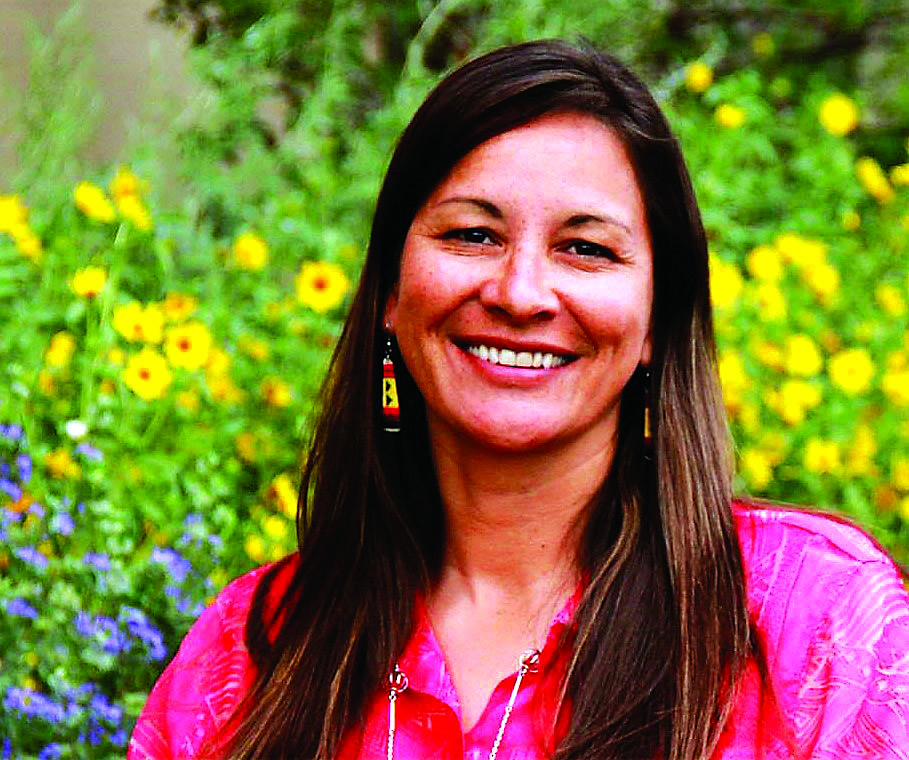
The Not Invisible Act >of 2019 also increases the coordination of efforts to reduce violent crime within Indian lands and against Indians. Specifically, it mandates the designation by the Interior Department of an official within the Bureau of Indian Affairs to coordinate prevention efforts, grants, and programs related to missing Indians and the murder and human trafficking of Indians. In addition, Interior and the Department of Justice (DOJ) must establish a joint commission on violent crime within Indian lands and against Indian and submit a written response to the recommendations developed by the joint commission. The joint commission must make publicly available recommendations to Interior and DOJ on actions to combat violent crime against Indians and within Indian lands, including recommendations for identifying, reporting, and responding to instances of missing persons, murder, and human trafficking."Next stop for our bills to keep Indigenous people from disappearing is the President’s desk": Legislation to address the crisis of missing and murdered loved ones, especially women and girls, is almost law. @RepDebHaaland #SavannasAct #NotInvisible #MMIW https://t.co/8XBrvnFfME
— indianz.com (@indianz) September 30, 2020
NATIVE SUN NEWS TODAY
Support Native media!
Read the rest of the story on Native Sun News Today: Celebrating Savanna’s Act passage
Contact Talli Nauman at talli.nauman@gmail.com
Search
Filed Under
Tags
More Headlines
Native America Calling: Assessing college campus safety in light of troubling allegations at Cornell University
Native America Calling: Native authors and book sellers reflect on a record year for banned books
Native America Calling: Native Playlist with Jeremy Dutcher and Mali Obomsawin
Native America Calling: What removing questions about race from the U.S. Census means for Native Americans
Chuck Hoskin: Cherokee Nation employees serve their communities
Native America Calling: One tribe breaks from the pack on prediction markets
Native America Calling: Finding success through the art of contemporary horsemanship
Testimony: Stephanie Bryan, Poarch Band of Creek Indians
Testimony: Michell Hicks, Eastern Band of Cherokee Indians
Testimony: Mark Macarro, Pechanga Band of Indians
Testimony: Patricia Leach, Catawba Nation
Testimony: Bryan Mercier, Bureau of Indian Affairs
Senate Committee on Indian Affairs holds business meeting and legislative hearing
Native America Calling: How Indigenous voices adapt to rapidly-evolving media
Native America Calling: PBS documentary ‘Knowledge Keepers’ explores Native scientific innovations
More Headlines
Native America Calling: Native authors and book sellers reflect on a record year for banned books
Native America Calling: Native Playlist with Jeremy Dutcher and Mali Obomsawin
Native America Calling: What removing questions about race from the U.S. Census means for Native Americans
Chuck Hoskin: Cherokee Nation employees serve their communities
Native America Calling: One tribe breaks from the pack on prediction markets
Native America Calling: Finding success through the art of contemporary horsemanship
Testimony: Stephanie Bryan, Poarch Band of Creek Indians
Testimony: Michell Hicks, Eastern Band of Cherokee Indians
Testimony: Mark Macarro, Pechanga Band of Indians
Testimony: Patricia Leach, Catawba Nation
Testimony: Bryan Mercier, Bureau of Indian Affairs
Senate Committee on Indian Affairs holds business meeting and legislative hearing
Native America Calling: How Indigenous voices adapt to rapidly-evolving media
Native America Calling: PBS documentary ‘Knowledge Keepers’ explores Native scientific innovations
More Headlines