Indianz.Com > News > StrongHearts Native Helpline: Elders can experience domestic violence too
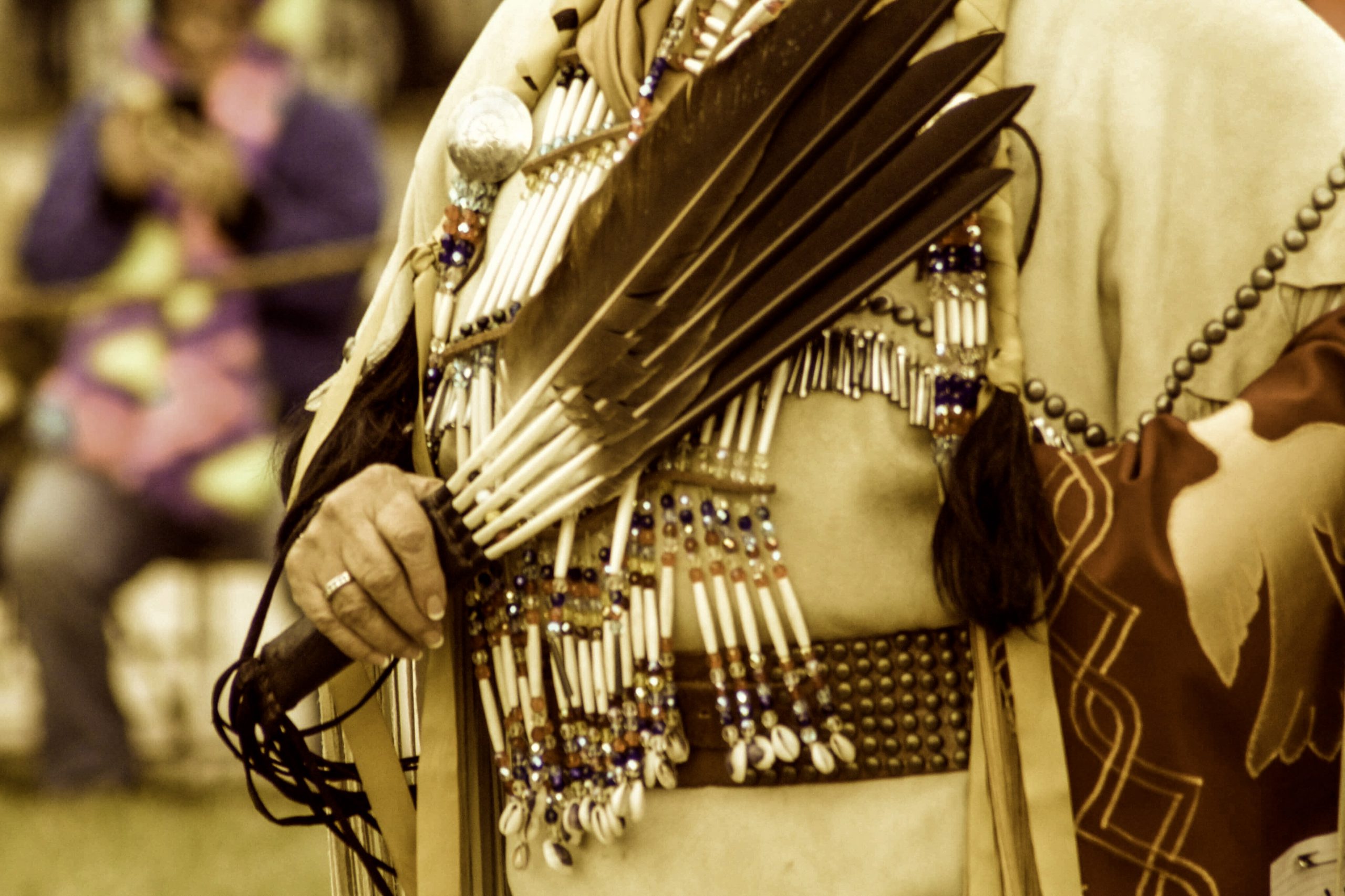
Elders Can Experience Domestic Violence
Wednesday, October 7, 2020
A Native American is usually considered an elder when they are above the age of 60 to 65, although it varies from tribe to tribe.
In our Native communities, we are taught to respect our elders. We honor them at ceremony, community gatherings, and pow wows. Their presence is considered to be an honor. We depend on them for wisdom and guidance gleaned from their years of experience. They are invaluable to us. Yet, they can still be victims of domestic violence.
Abuse can happen to anyone. It is not limited to a specific age, class, religion, gender or sexual orientation. Abuse can happen in relationships where couples are married, living together, dating or have children together. Violent behavior can appear at any time in a relationship, though possessive, controlling and other alarming behavior often reveals itself as the relationship becomes more serious.
Domestic violence happens when an intimate partner uses a repetitive pattern of abuse to maintain power and control over their partner. The abuse can physically harm, intimidate, prevent a person from acting freely, or force them to behave in ways they do not want.
What can domestic violence look like in elder relationships? Domestic violence can look similar in elder relationships as it does in their younger counterparts, but some elders may be more vulnerable to the impacts of abuse and less able to get support.
- Physical abuse includes inflicting physical pain or injury upon the victim like pushing, holding or pinching. It can also include prohibiting one to get medical help, withholding medicine, or not allowing one time to heal after illness or surgery.
- Emotional abuse includes verbal assaults, threats of abuse, and intimidation. It also includes isolation, where the abusive partner will not let the victim visit with their relatives. Isolation can be particularly harmful to elders as they may already have limited mobility or relationships.
- Spiritual and cultural abuse happens when the abusive partners uses hurtful stereotypes to criticize the victim, uses tribal membership against them, won’t allow them to participate in traditions, or restricts them from honoring their beliefs.
- Sexual abuse includes grabbing and hurting the sexual parts of the victim’s body, pressuring the victim for sex and becoming angry or violent when refused sex.
- Financial abuse happens when an abusive partnerkeeps money, accounts or financial information hidden from the victim. The abusive partner may also give an allowance to the victim or keep the victim’s social security or per capita checks. They may also use gaslighting as a tactic of control here. They may say things like, “I’ve always controlled the money.” or “You aren’t good with money.”; or “You have everything you need, don’t you?”
- Digital abuse happens when the abusive partner takes away phones, iPads, or computers in a bid to control who the victim can contact.
A Stay Together Era
Elders can be more traditional. They came of age when families stayed together even during abuse. Some elders have endured a lifetime of domestic violence. To understand why elder-survivors of domestic violence stay, consider the following.
- Love: They have a long history of loving their partner and believe the abuse will someday end.
- Family: They want to maintain harmony within the family.
- Normalization: Elders may feel they have lived through the violence their whole life and there is no need or way to change it now.
- Community: They fear having to leave the community in order to escape the abuse or are embarrassed about what other members of the community would think about the abuse.
- Manipulation and Low Self-Esteem: They blame themselves for the abuse, or feel hopeless.
- No Money/Resources: They don’t have the resources to leave their situation, or feel a responsibility to financially support their abusive partner.
- Denial/Shame: Denial or shame happens when a survivor is embarrassed and wants to protect themselves, their children and/or families from being associated with the stigma of abuse.
Help is Available
At StrongHearts Native Helpline, we know that Native American elders are humble and it can be difficult for them to ask for help. Native Americans and Alaska Natives experience domestic violence at higher rates than any other ethnic group and that elders still suffer intimate partner violence. Domestic violence and dating violence are not Native American traditions, and neither is ever okay.
StrongHearts Native Helpline is a free, culturally-appropriate, and anonymous helpline for Native Americans and Alaska Natives impacted by domestic violence and dating violence. We acknowledge and support all victims regardless of age, gender, sexual orientation or relationship status. If you or someone you love is experiencing domestic violence, help is available.
Contact StrongHearts at 1-844-7NATIVE or click on the Chat Now icon at strongheartshelpline.org t o connect one-on-one with and advocate daily from 7 a.m. to 10 p.m. CT. As a collaborative effort of the National Domestic Violence Hotline (The Hotline) and the
National Indigenous Women’s Resource Center, after-hour callers can connect with The Hotline by choosing option one.
Search
Filed Under
Tags
More Headlines
Native America Calling: The life of Chief Powhatan and the fight to preserve his birthplace
Native America Calling: Native child welfare notches wins in a time of adversity
President Trump makes his mark on tribal gaming agency with new appointment
Press Release: Billy Kirkland joins National Indian Gaming Commission
NAFOA: 5 Things You Need to Know This Week (June 1, 2026)
Chuck Hoskin: Cherokee Nation continues to share its legacy
Native America Calling: Alaska bears are the targets of a controversial management program
Native America Calling: A Native cafe, camas restoration and the Indigenous food pyramid
Source New Mexico: Uranium mine under consideration near sacred Mount Taylor
Native America Calling: Exploring home, culture, and personal resolve with writers Joan Kane and Sherman Funmaker
Montana Free Press: Lawsuit challenges cancellation of federal grants for tribal agricultural programs
Press Release: Institute of American Indian Arts announces scholarship created by Pueblo artist Rose B. Simpson
Press Release: Umatilla Tribes approve contract for Native legal aid program
Press Release: Department of Transportation opens $19 million tribal grant program
Native America Calling: Oil drilling vs cultural preservation at Chaco Canyon
More Headlines
Native America Calling: Native child welfare notches wins in a time of adversity
President Trump makes his mark on tribal gaming agency with new appointment
Press Release: Billy Kirkland joins National Indian Gaming Commission
NAFOA: 5 Things You Need to Know This Week (June 1, 2026)
Chuck Hoskin: Cherokee Nation continues to share its legacy
Native America Calling: Alaska bears are the targets of a controversial management program
Native America Calling: A Native cafe, camas restoration and the Indigenous food pyramid
Source New Mexico: Uranium mine under consideration near sacred Mount Taylor
Native America Calling: Exploring home, culture, and personal resolve with writers Joan Kane and Sherman Funmaker
Montana Free Press: Lawsuit challenges cancellation of federal grants for tribal agricultural programs
Press Release: Institute of American Indian Arts announces scholarship created by Pueblo artist Rose B. Simpson
Press Release: Umatilla Tribes approve contract for Native legal aid program
Press Release: Department of Transportation opens $19 million tribal grant program
Native America Calling: Oil drilling vs cultural preservation at Chaco Canyon
More Headlines