Indianz.Com > News > Indian Country Today: The power of the Native vote
Native vote plays powerful role, especially in swing states
Voting advocates predict Native voters will come out in force despite challenges #NativeVote20
Friday, October 30, 2020
Indian Country Today
Native American and Alaska Native voters have the power to determine the next president.
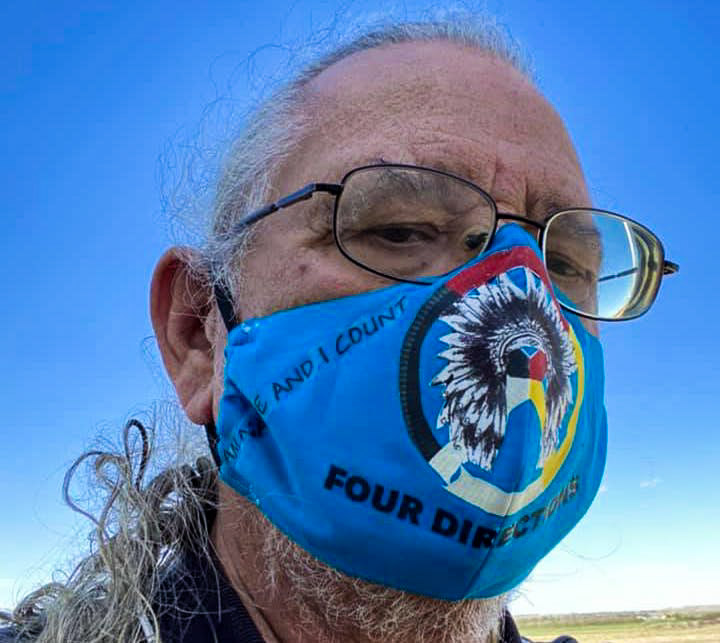
“Had Native voters turned out in 2016, we would likely have had a very different outcome in the presidential election,” said OJ Semans, executive director of Four Directions Inc., a Native American voting rights advocacy organization. Semans is a member of the Rosebud Sioux tribe.
Native voters stand to play a crucial role in the 2020 election, especially in swing states where they make up significant portions of eligible voters. States in which two major parties have similar levels of support and high numbers of electoral votes are also home to large Native populations.
The approximately 3.7 million Natives and Alaska Natives of voting age are represented in this election’s crucial swing states.
Arizona — 5.6 percent
Colorado — 2.5 percent
Michigan — 1.4 percent
Minnesota — 1.8 percent
Nevada — 2.5 percent
North Carolina — 2.1 percent
Wisconsin — 1.5 percent
At first glance, it might appear that the numbers are insignificant; however, if President Donald Trump’s narrow margin of victory in several states during the 2016 presidential election is any indication, the Native vote stands to play an important role in this election.
“Trump won the state during the 2016 election by 0.7 percent. We could have very well have swung that election,” said Guy Reiter of Menikanaehken Inc., a grassroots organization based on the Menominee reservation in northeast Wisconsin. In addition to working to revitalize its community, Menikanaehken Inc. is working to increase voter engagement and registration.
In the 2016 presidential election, however, only 1.8 million Native voters turned out, about half of the eligible voters.
According to the National Congress of American Indians, the voter rate among Native Americans is five to 14 percentage points lower than that of other racial groups.
Colorado — 2.5 percent
Michigan — 1.4 percent
Minnesota — 1.8 percent
Nevada — 2.5 percent
North Carolina — 2.1 percent
Wisconsin — 1.5 percent


Candidates take notice
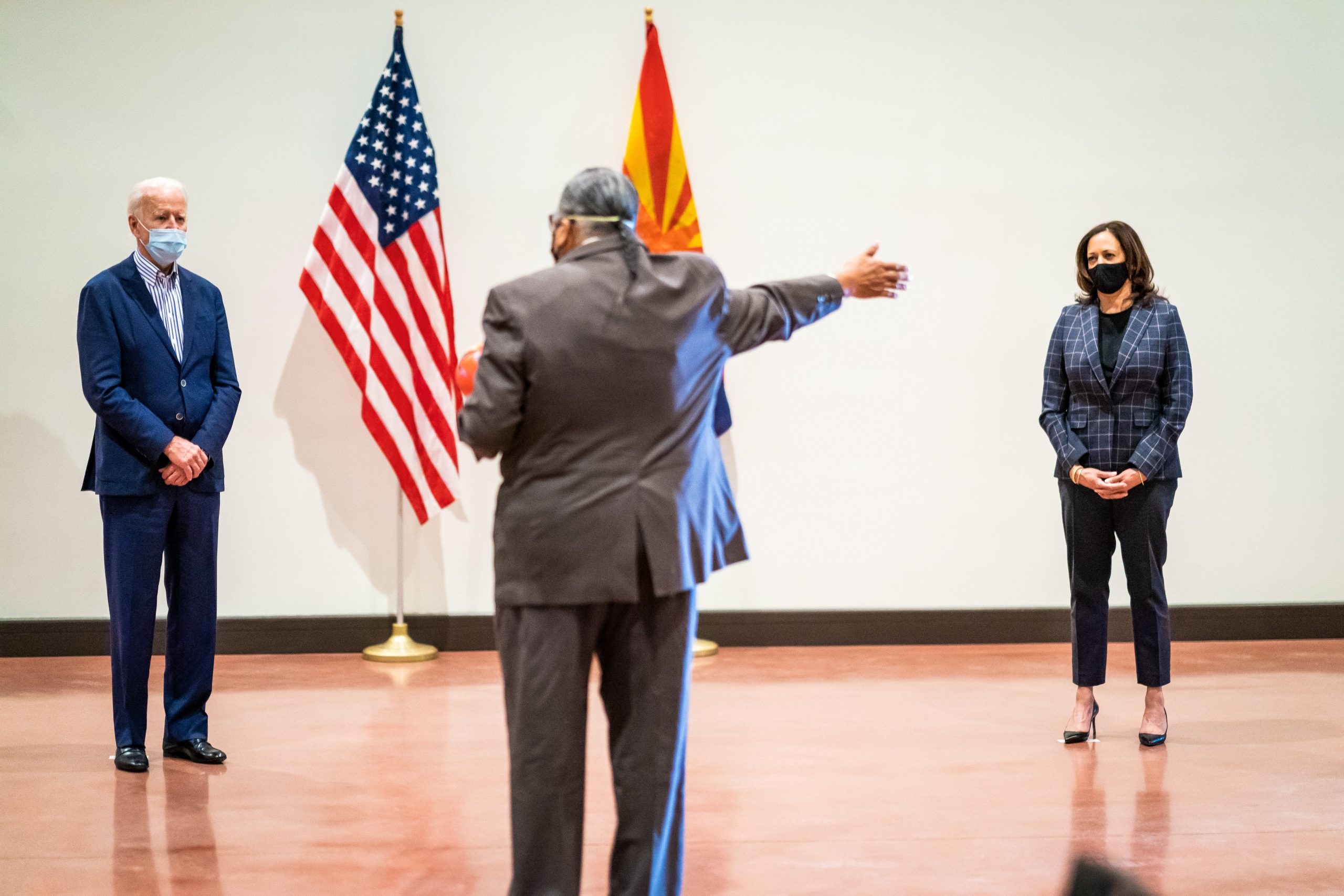
Notably both the Biden and Trump campaigns are courting the Native vote; Joe Biden and Kamala Harris met with tribal leaders last month in Phoenix and later released their 15 page “Biden-Harris Plan for Tribal Nations.”
According to their plan, a Biden administration will fully fund the Indian Health Service and potentially make funding mandatory rather than discretionary. The Biden-Harris plan also commits to aim to achieve net-zero emissions and ensure that investments in clean energy reach Native communities. Biden has also promised to end fossil fuel subsidies.
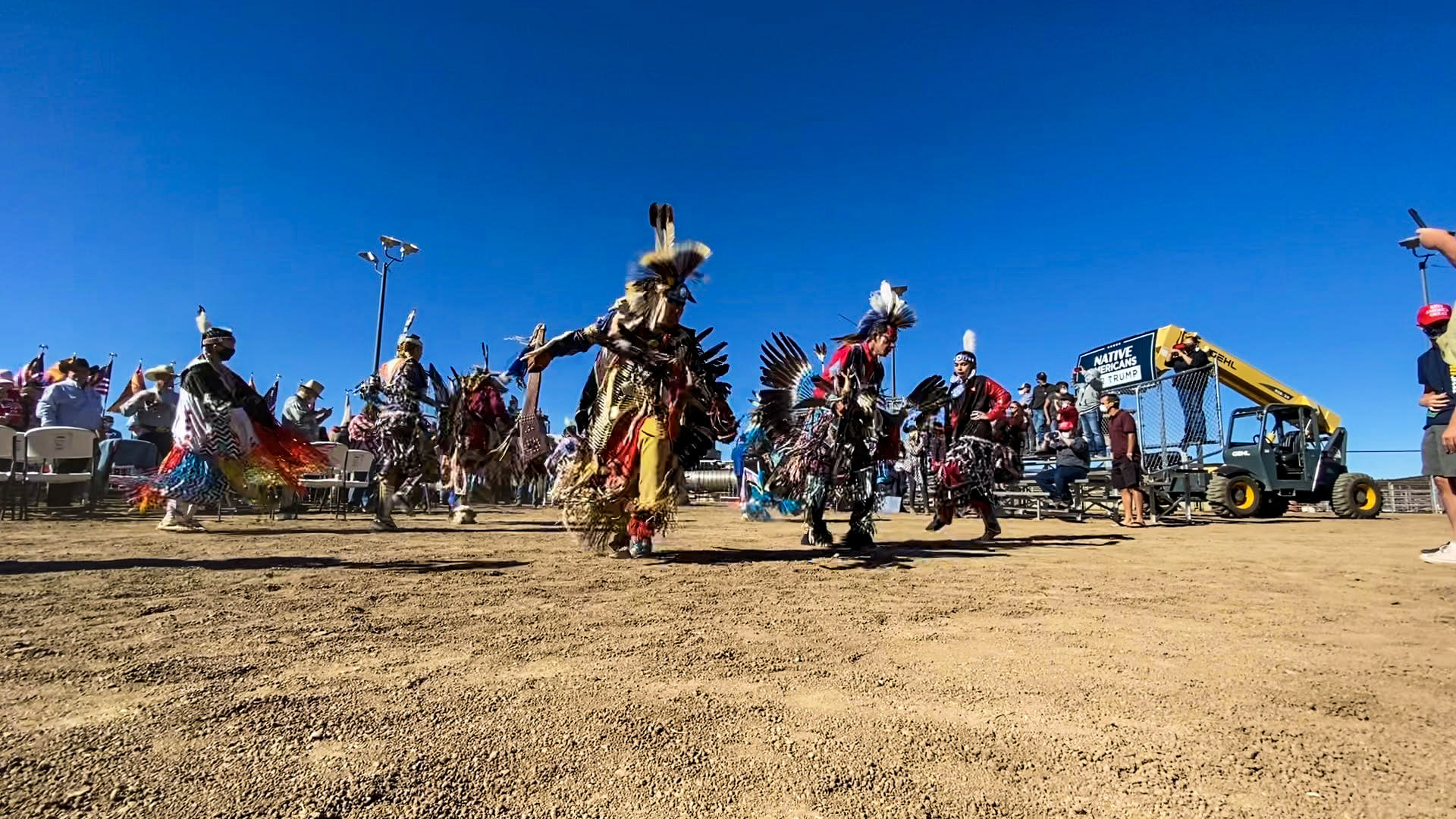
Later in October, Trump released his three-page policy vision for Indian Country, shortly after his son Donald Trump Jr. launched the Native Americans for Trump coalition in Williams, Arizona.
In his “Putting America’s First Peoples First: Forgotten More!” plan, Trump promised to respect tribal sovereignty and self-determination, promote safe communities, build a thriving economy with improved infrastructure, honor Native American heritage, improve education and deliver health care.
In a follow-up email to Indian Country Today’s request for details about Trump’s plans to deliver health care, Jennifer Kelly, advisor for regional communications and Hispanic media engagement wrote: “The Federal government remains committed to meeting existing federal trust and treaty obligations. Unfortunately, politicians of both parties, including some who have been in Washington, DC for several decades have fallen short. Thankfully, President Trump is not afraid to tackle long-overlooked challenges, just as he has done with the issue of Missing and Murdered Native Americans. A few examples of elevating the commitment to the trust relationship in the plan surround the provisions to improve education and healthcare in Indian Country. President Trump’s FY 2021 budget, for example, proposed a $185 million (3 percent) increase for Indian Health Service (IHS) funding totaling $6.2 billion. The President also launched the IHS Task (Force) to tackle long overlooked abuses in the IHS.”
Mary Annette Pember, a citizen of the Red Cliff Ojibwe tribe, is a national correspondent for Indian Country Today. Follow Pember on Twitter @mapember. Based in Cincinnati, Ohio. Pember loves film, books and jingle dress dancing.
This article originally appeared on Indian Country Today LLC, a nonprofit, public media enterprise. ICT does not charge for subscriptions and tribal media (or any media, for that matter) can use the publiciation’s content for free. Contribute to the nonprofit Indian Country Today. Note: Thumbnail photo of final presidential debate by Adam Schultz / Biden for President
Search
Filed Under
Tags
More Headlines
Native America Calling: Assessing college campus safety in light of troubling allegations at Cornell University
Native America Calling: Native authors and book sellers reflect on a record year for banned books
Native America Calling: Native Playlist with Jeremy Dutcher and Mali Obomsawin
Native America Calling: What removing questions about race from the U.S. Census means for Native Americans
Chuck Hoskin: Cherokee Nation employees serve their communities
Native America Calling: One tribe breaks from the pack on prediction markets
Native America Calling: Finding success through the art of contemporary horsemanship
Testimony: Stephanie Bryan, Poarch Band of Creek Indians
Testimony: Michell Hicks, Eastern Band of Cherokee Indians
Testimony: Mark Macarro, Pechanga Band of Indians
Testimony: Patricia Leach, Catawba Nation
Testimony: Bryan Mercier, Bureau of Indian Affairs
Senate Committee on Indian Affairs holds business meeting and legislative hearing
Native America Calling: How Indigenous voices adapt to rapidly-evolving media
Native America Calling: PBS documentary ‘Knowledge Keepers’ explores Native scientific innovations
More Headlines
Native America Calling: Native authors and book sellers reflect on a record year for banned books
Native America Calling: Native Playlist with Jeremy Dutcher and Mali Obomsawin
Native America Calling: What removing questions about race from the U.S. Census means for Native Americans
Chuck Hoskin: Cherokee Nation employees serve their communities
Native America Calling: One tribe breaks from the pack on prediction markets
Native America Calling: Finding success through the art of contemporary horsemanship
Testimony: Stephanie Bryan, Poarch Band of Creek Indians
Testimony: Michell Hicks, Eastern Band of Cherokee Indians
Testimony: Mark Macarro, Pechanga Band of Indians
Testimony: Patricia Leach, Catawba Nation
Testimony: Bryan Mercier, Bureau of Indian Affairs
Senate Committee on Indian Affairs holds business meeting and legislative hearing
Native America Calling: How Indigenous voices adapt to rapidly-evolving media
Native America Calling: PBS documentary ‘Knowledge Keepers’ explores Native scientific innovations
More Headlines