Indianz.Com > News > Officials criticize reduction of services at Indian Health Service facility
Officials criticize reduction of services at Indian Health Service facility
Monday, November 16, 2020
Indianz.Com
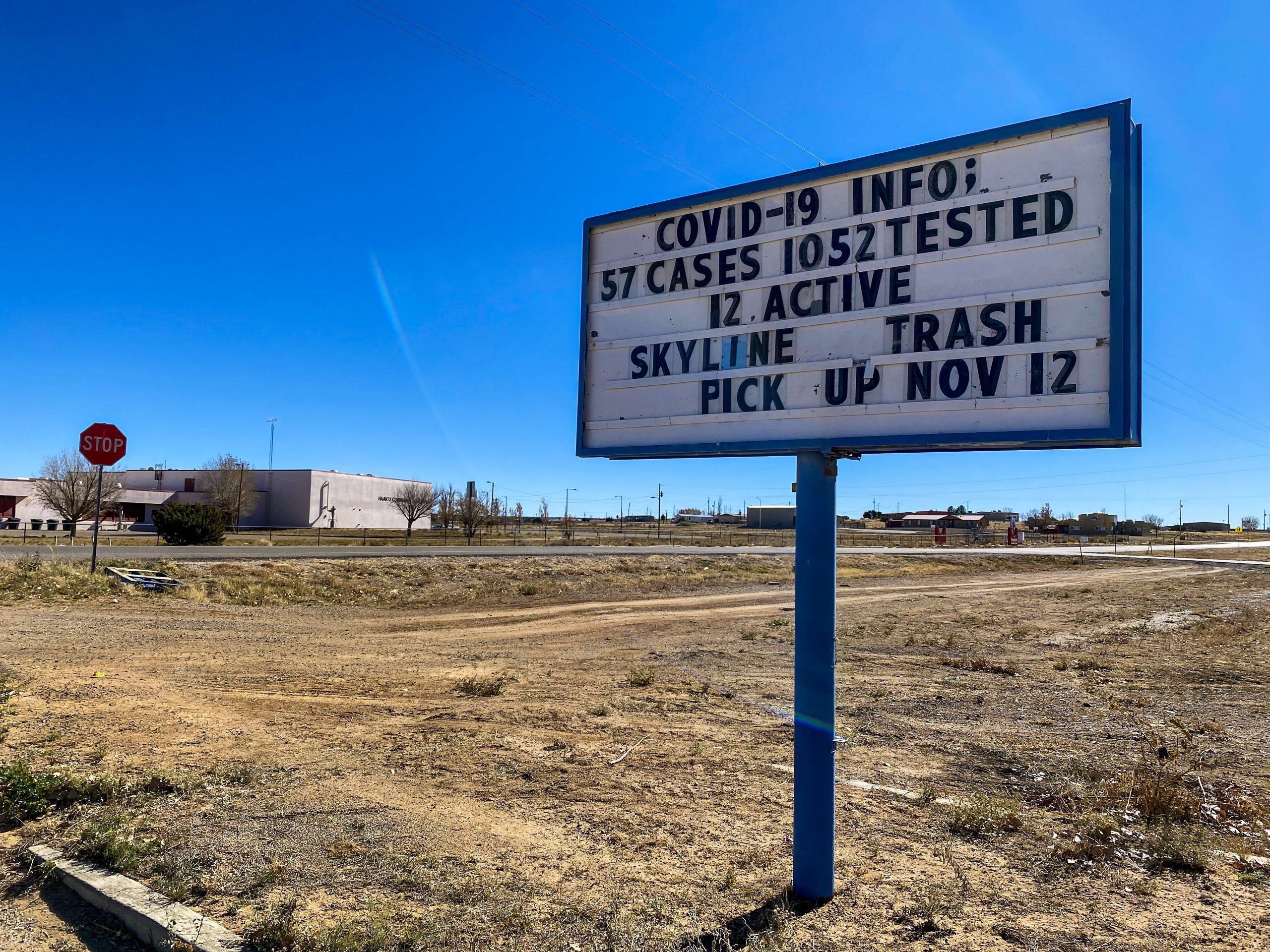
Officials from New Mexico issued statements in response to the reduction of services at an Indian Health Service facility in their state.
The Acoma, Canoncito, Laguna Hospital, commonly known as ACL, has reduced emergency room and in-patient services in response to inadequate funding. The facility primarily serves Pueblo and Navajo citizens west of Albuquerque, the largest city in New Mexico.
Rep. Deb Haaland (D-New Mexico), Sen. Tom Udall (D-New Mexico) and Gov. Michelle Lujan Grisham (D) issued their statements on Monday.

 youtu.be
 Rep. Deb Haaland (D-New Mexico)
“Heath care services need to be accessible for every community, especially during a global pandemic, but this Administration made an irresponsible decision to close a health care center in Acoma. This pandemic does not discriminate and its toll in communities of color has revealed the longstanding disparities that exist in Indian Country. This Administration is putting lives in danger and needlessly increasing patients’ and families’ distress. I’ll be looking into this decision and expecting answers from HHS.”
Sen. Tom Udall (D-New Mexico)
“This pandemic has strained Native health systems, disrupted Tribal economies, and taken a disproportionate toll on Native families. Tribes across the country have met this crisis with resilience, but their federal partners aren’t rising to the challenge. Cutting essential services, like the closure of IHS’s ACL service unit, while New Mexico is experiencing a dangerous surge in COVID-19 cases statewide, is a threat to public health – for Native families and for the entire state. It’s wrong. It’s dangerous. And, it’s a complete dereliction of duty. IHS needs to provide clear, direct answers about where the people of Acoma, Laguna, and To’hajiilee are going to be able to access emergency and hospital care during this public health crisis.
“Throughout this pandemic, I’ve heard directly from Tribes about their urgent and ongoing needs for healthcare and economic resources to combat the virus. That’s why I worked so hard to make sure we included $10 billion in relief funds for Tribal governments in the CARES Act. Yet, I continue to hear how existing federal policies, practices, and program structures have left Native communities particularly exposed to severe and long-lasting impacts. This pandemic is not over, and the call to live up to our trust and treaty responsibilities is still paramount. We must continue the work to build a stronger, better Indian Health Service system so that health disparities that already exist in Indian Country are not further exacerbated.”
“The federal government’s sudden decision to close the ACL hospital in the midst of a nationwide pandemic makes no sense and flies in the face of decency. Closing the hospital when people rely on this facility for their healthcare is unconscionable. It not only compromises their health and wellbeing, but creates uncertainty, anxiety and fear at the worst possible time.
“The federal government must honor its legal obligations under its federal trust responsibility and maintain if not increase its support for healthcare on tribal lands. My administration will do everything it can to address this situation with the federal government and work with the Pueblo of Acoma to get people the care they need.”
Search
Filed Under
Tags
More Headlines
Native America Calling: Assessing college campus safety in light of troubling allegations at Cornell University
Native America Calling: Native authors and book sellers reflect on a record year for banned books
Native America Calling: Native Playlist with Jeremy Dutcher and Mali Obomsawin
Native America Calling: What removing questions about race from the U.S. Census means for Native Americans
Chuck Hoskin: Cherokee Nation employees serve their communities
Native America Calling: One tribe breaks from the pack on prediction markets
Native America Calling: Finding success through the art of contemporary horsemanship
Testimony: Stephanie Bryan, Poarch Band of Creek Indians
Testimony: Michell Hicks, Eastern Band of Cherokee Indians
Testimony: Mark Macarro, Pechanga Band of Indians
Testimony: Patricia Leach, Catawba Nation
Testimony: Bryan Mercier, Bureau of Indian Affairs
Senate Committee on Indian Affairs holds business meeting and legislative hearing
Native America Calling: How Indigenous voices adapt to rapidly-evolving media
Native America Calling: PBS documentary ‘Knowledge Keepers’ explores Native scientific innovations
More Headlines
Native America Calling: Native authors and book sellers reflect on a record year for banned books
Native America Calling: Native Playlist with Jeremy Dutcher and Mali Obomsawin
Native America Calling: What removing questions about race from the U.S. Census means for Native Americans
Chuck Hoskin: Cherokee Nation employees serve their communities
Native America Calling: One tribe breaks from the pack on prediction markets
Native America Calling: Finding success through the art of contemporary horsemanship
Testimony: Stephanie Bryan, Poarch Band of Creek Indians
Testimony: Michell Hicks, Eastern Band of Cherokee Indians
Testimony: Mark Macarro, Pechanga Band of Indians
Testimony: Patricia Leach, Catawba Nation
Testimony: Bryan Mercier, Bureau of Indian Affairs
Senate Committee on Indian Affairs holds business meeting and legislative hearing
Native America Calling: How Indigenous voices adapt to rapidly-evolving media
Native America Calling: PBS documentary ‘Knowledge Keepers’ explores Native scientific innovations
More Headlines