Indianz.Com > News > Indian Country Today: Repatriation law marks major milestone
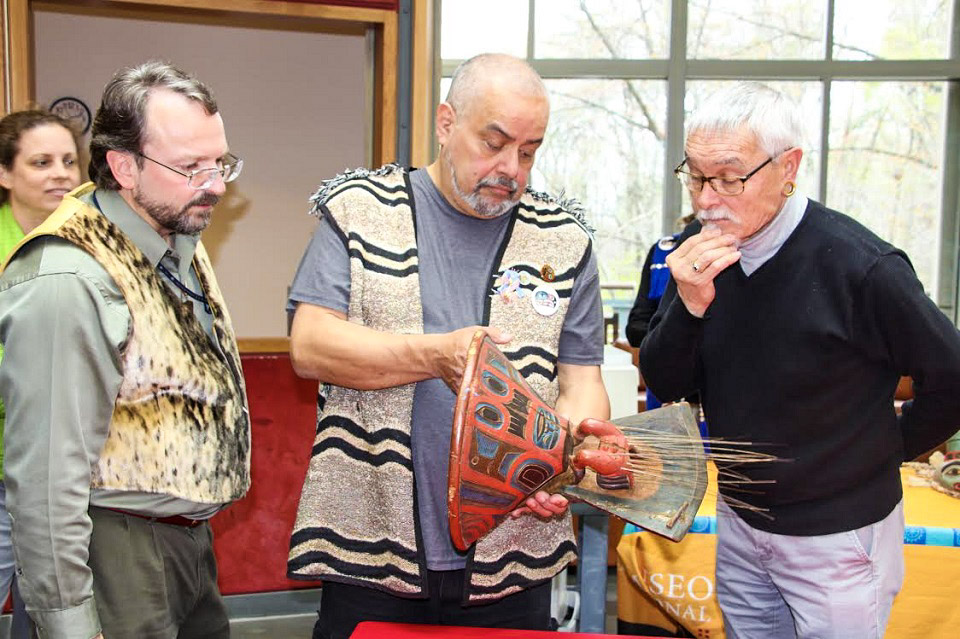
Native American Graves Repatriation Act turns 30
Despite federal law ordering their repatriation, thousands of ancestors remains still languish in boxes and basements
Monday, November 23, 2020
Indian Country Today
An antique Cheyenne girl’s dress spotted with blood in a natural history museum’s display case.
A cabinet of skulls in the Smithsonian museum with labels identifying them only by tribal affiliation.
These are a few of the gruesome sights that galvanized Native American advocates to advocate for creation of the Native American Graves Protection and Repatriation Act (NAGPRA) that was passed 30 years ago this month.
The law was enacted to require federal agencies and institutions such as schools and museums receiving federal funding and holding collections of Native American remains and cultural items to engage in a process to transfer these items to lineal descendants, tribes, Alaska Native or Native Hawaiian organizations.
The Indian Legal Program at Arizona State University recently organized a webinar, “NAGPRA: 30 Years and Beyond,” to explore the history and future of the law.
Presenters included advocates who helped bring the law forward including Suzan Harjo, Cheyenne/Hodulgee Muscogee, writer, curator, policy advocate and president of the Morning Star Institute and James Riding In, Pawnee, founding member and associate professor, American Indian Studies at Arizona State University.
Shannon Keller O’Loughlin, a citizen of the Choctaw Nation of Oklahoma, is executive director and attorney with the Association of American Indian Affairs, which has built a national and international effort assisting U.S. tribes and communities with domestic and international repatriation. He also presented.
The passage of NAGPRA has helped tribes create an infrastructure in order to carry out the work of repatriating remains and cultural items held by institutions.
Before the law was enacted, the examples of the Cheyenne girl’s dress and cabinet of skulls were common sights in museum display cases all over the U.S.
Native American remains as well as their funerary (or grave goods) and cultural items were viewed by scientists and the public as resources to be collected and studied at will.
“Our ancestors were commodified and thought of as someone’s property that could be owned like a butterfly collection,” said Harjo.

 X (formerly Twitter)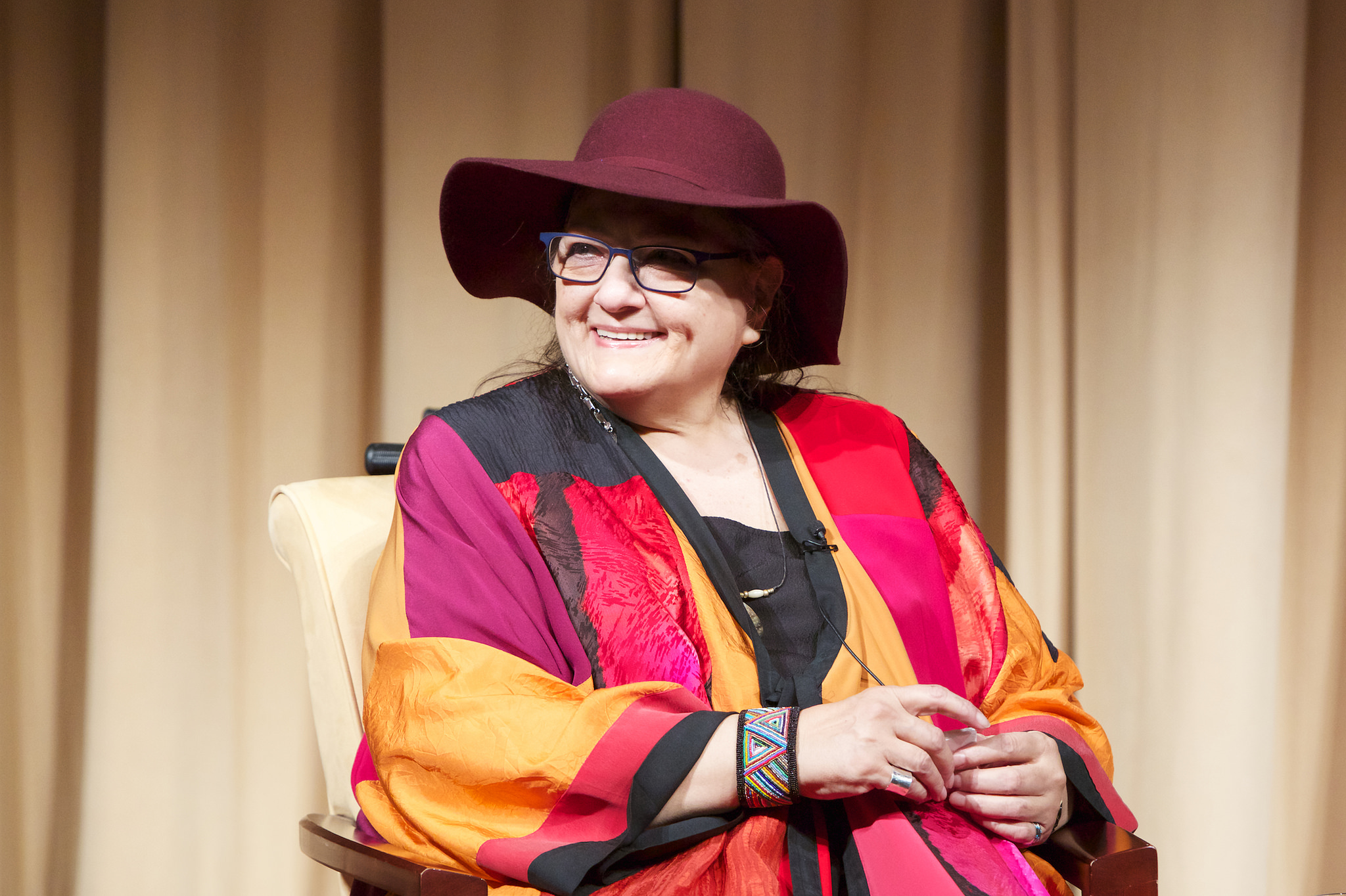
Mary Annette Pember, a citizen of the Red Cliff Ojibwe tribe, is a national correspondent for Indian Country Today. Follow Pember on Twitter @mapember. Based in Cincinnati, Ohio. Pember loves film, books and jingle dress dancing.
This article originally appeared on Indian Country Today LLC, a nonprofit, public media enterprise. ICT does not charge for subscriptions and tribal media (or any media, for that matter) can use the publiciation’s content for free. Contribute to the nonprofit Indian Country Today.
Search
Filed Under
Tags
More Headlines
President Trump makes his mark on tribal gaming agency with new appointment
Press Release: Billy Kirkland joins National Indian Gaming Commission
NAFOA: 5 Things You Need to Know This Week (June 1, 2026)
Chuck Hoskin: Cherokee Nation continues to share its legacy
Native America Calling: Alaska bears are the targets of a controversial management program
Native America Calling: A Native cafe, camas restoration and the Indigenous food pyramid
Source New Mexico: Uranium mine under consideration near sacred Mount Taylor
Native America Calling: Exploring home, culture, and personal resolve with writers Joan Kane and Sherman Funmaker
Montana Free Press: Lawsuit challenges cancellation of federal grants for tribal agricultural programs
Press Release: Institute of American Indian Arts announces scholarship created by Pueblo artist Rose B. Simpson
Press Release: Umatilla Tribes approve contract for Native legal aid program
Press Release: Department of Transportation opens $19 million tribal grant program
Native America Calling: Oil drilling vs cultural preservation at Chaco Canyon
NAFOA: 5 Things You Need to Know This Week (May 26, 2026)
Native America Calling: Border wall construction damaging sacred sites
More Headlines
Press Release: Billy Kirkland joins National Indian Gaming Commission
NAFOA: 5 Things You Need to Know This Week (June 1, 2026)
Chuck Hoskin: Cherokee Nation continues to share its legacy
Native America Calling: Alaska bears are the targets of a controversial management program
Native America Calling: A Native cafe, camas restoration and the Indigenous food pyramid
Source New Mexico: Uranium mine under consideration near sacred Mount Taylor
Native America Calling: Exploring home, culture, and personal resolve with writers Joan Kane and Sherman Funmaker
Montana Free Press: Lawsuit challenges cancellation of federal grants for tribal agricultural programs
Press Release: Institute of American Indian Arts announces scholarship created by Pueblo artist Rose B. Simpson
Press Release: Umatilla Tribes approve contract for Native legal aid program
Press Release: Department of Transportation opens $19 million tribal grant program
Native America Calling: Oil drilling vs cultural preservation at Chaco Canyon
NAFOA: 5 Things You Need to Know This Week (May 26, 2026)
Native America Calling: Border wall construction damaging sacred sites
More Headlines