Indianz.Com > News > Tim Giago: Racist law harms survivors of Indian boarding schools

Notes from Indian Country
When is an honor not an honor?
South Dakota legislators appear to be in conflict with themselves. They are introducing a Concurrent Resolution to acknowledge and honor the Native American children who were survivors of the boarding schools in this state.
Here is that resolution [House Concurrent Resolution 6014]:
WHEREAS, beginning in the latter part of the nineteenth century, Native American children were often involuntarily sent to boarding schools far away from their families and communities; and
WHEREAS, these vulnerable children observed and suffered physical, emotional, psychological, and sexual abuse; were forced to deny or abandon their cultural heritage and relinquish their spirituality; and were often punished by being physically restrained, beaten, and isolated in inhospitable surroundings; and
WHEREAS, these children, their children, and now their grandchildren and great grandchildren, bear the devastating legacy of the boarding school era and of the assimilation policies that established and sustained the boarding schools; and
WHEREAS, this historical, intergenerational, and often unrecognized trauma continues to undermine and negatively impact Native American individuals, families, and communities;
NOW, THEREFORE, BE IT RESOLVED, by the House of Representatives of the Ninety-Sixth Legislature of the State of South Dakota, the Senate concurring therein, that this Legislature hears the voice of each Native American who survived the brutality of the boarding schools and acknowledges the atrocities that occurred; and
BE IT FURTHER RESOLVED, that this Legislature solemnly recognizes the individual and collective suffering that so many endured as a result of policies to place and keep Native American children in the boarding schools; honors the survivors, their families, and their communities; and celebrates the courage, strength, and resiliency of the survivors.
And yet the Legislature in 2010 passed a law that does not allow childhood sexual abuse survivors over age 40 to sue Churches or organizations. Marci Hamilton, a Professor at the University of Pennsylvania who runs an organization advocating for removing the statute of limitations on childhood sexual abuse, told lawmakers that South Dakota is the only state since 2002 to put restrictions on the statute of limitations. The bill to undo that was once again defeated by lawmakers who did not want to open churches and organizations up to lawsuits for past abuse.
The only way the South Dakota legislators can “honor” the survivors of boarding schools is to rescind this racist and ridiculous law that blocks former boarding school children who were abused from suing the schools that allowed that abuse.
Most boarding school survivors of physical, psychological, and sexual abuse at the boarding schools learned to live with it and survive on their own and it was only after many of us reached a certain age and began to recall and reflect upon that abuse that we even considered suing the schools where it all happened. It was a lawyer representing one of those notorious boarding schools, St. Joseph’s at Chamberlain, who introduced the bill that now prevents those former students from suing schools like St. Joseph’s.
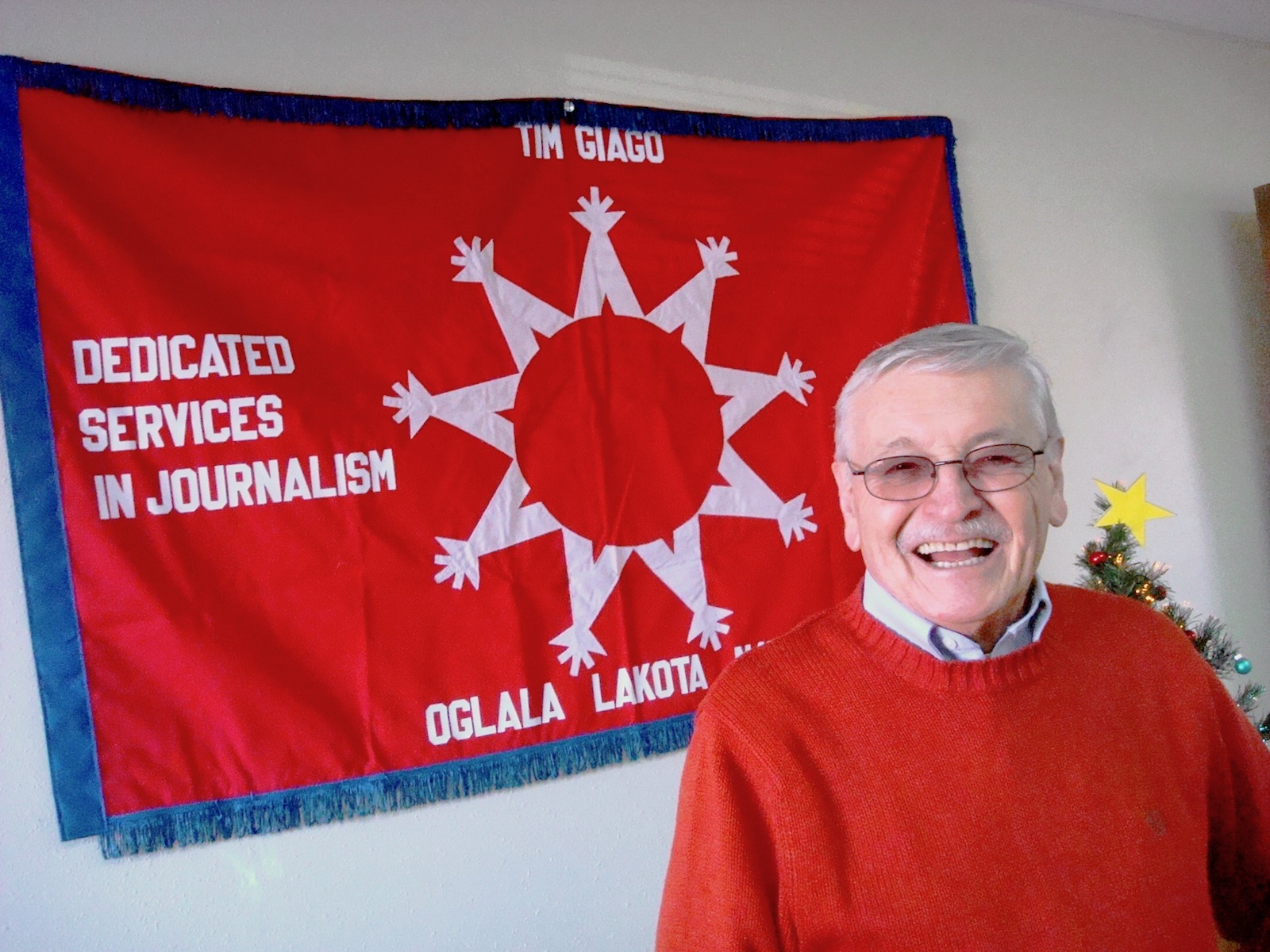
Tim Giago (Oglala Lakota) is the founder of the Native American Journalists Association and of Indian Country Today. Contact him at najournalist1@gmail.com.
Search
Filed Under
Tags
More Headlines
Native America Calling: Alaska Native leadership and land rights advocacy through the generations
Native America Calling: How a young Ponca activist shaped the future of Native activism
Native America Calling: Tribes remain excluded from some major water policy decisions
Native America Calling: Assessing college campus safety in light of troubling allegations at Cornell University
Native America Calling: Native authors and book sellers reflect on a record year for banned books
Native America Calling: Native Playlist with Jeremy Dutcher and Mali Obomsawin
Native America Calling: What removing questions about race from the U.S. Census means for Native Americans
Chuck Hoskin: Cherokee Nation employees serve their communities
Native America Calling: One tribe breaks from the pack on prediction markets
Native America Calling: Finding success through the art of contemporary horsemanship
Testimony: Stephanie Bryan, Poarch Band of Creek Indians
Testimony: Michell Hicks, Eastern Band of Cherokee Indians
Testimony: Mark Macarro, Pechanga Band of Indians
Testimony: Patricia Leach, Catawba Nation
Testimony: Bryan Mercier, Bureau of Indian Affairs
More Headlines