Indianz.Com > News > Health care coverage improves in Indian Country amid toll of COVID-19
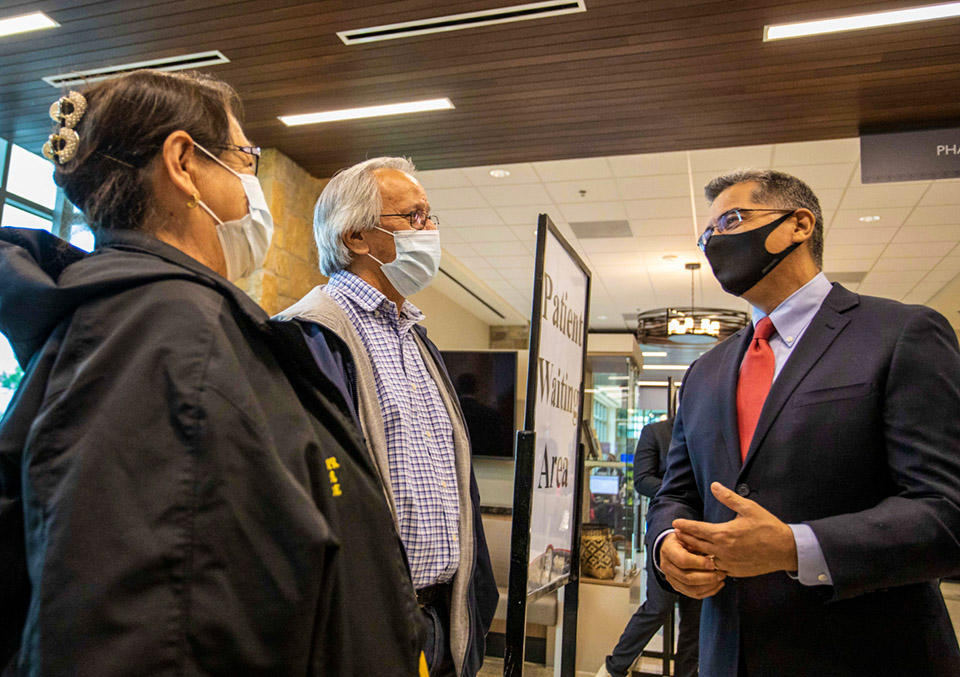
Health care coverage improves in Indian Country amid toll of COVID-19
Thursday, July 22, 2021
Indianz.Com
Correction:The report was issued by the Office of the Assistant Secretary for Planning and Evaluation within the Department of Health and Human Services, not by the Centers for Medicare and Medicaid Services as previously stated. An updated copy of the report is available at hhs.gov. Health insurance coverage has improved dramatically among American Indians and Alaska Natives, the Biden administration announced in a new report that highlights the disparities still being faced in tribal and urban communities. According to the Department of Health and Human Services, only 28 percent of Native Americans went uninsured as of 2018. While the rate was still the highest among all racial and ethnic groups, it represents huge progress since the Affordable Care Act (ACA) became law more than a decade ago. In between 2010 and 2018, in fact, the percentage of American Indians and Alaska Natives who went without health coverage decreased by an impressive 16 points, HHS said in the report on Thursday. The Biden administration is citing the figures as it seeks to improve insurance rates even more in the coming years. “CMS is committed to working with our tribal partners to ensure American Indians and Alaska Natives have access to the coverage they need,” Administrator Chiquita Brooks-LaSur of the Centers for Medicare and Medicaid Services told Indianz.Com. “Although American Indians and Alaska Natives can enroll year round, the HealthCare.gov Special Enrollment Period provides the opportunity to get coverage more quickly and we invite people who need coverage to sign up by August 15,” Brooks-LaSur said in encouraging people in tribal communities to explore their health insurance options. Despite the gains, the report shows how Indian Country still has a long way to go. As of 2019, for example, health coverage among American Indians and Alaska Natives lagged significantly behind non-Hispanic Whites, Asians, African-Americans and Native Hawaiians, according to the data. Then in 2020, the coronavirus took a major toll on tribes and their citizens. American Indians and Alaska Natives have suffered the highest infection, hospitalization and death rates throughout the COVID-19 pandemic, according to the report.

The situation has improved in 2021, due to high COVID-19 vaccination rates among Native people. As of July 9, more than 55 percent of adult patients within the Indian Health Service have received at least one dose of the vaccine, which was highest among all racial and ethnic groups, the HHS report noted.
And according to IHS data from July 15, which is the latest available, more than 1.47 million COVID-19 vaccine doses have been administered throughout the system. That accounts for 57.3 percent of the agency’s user population.
 YouTube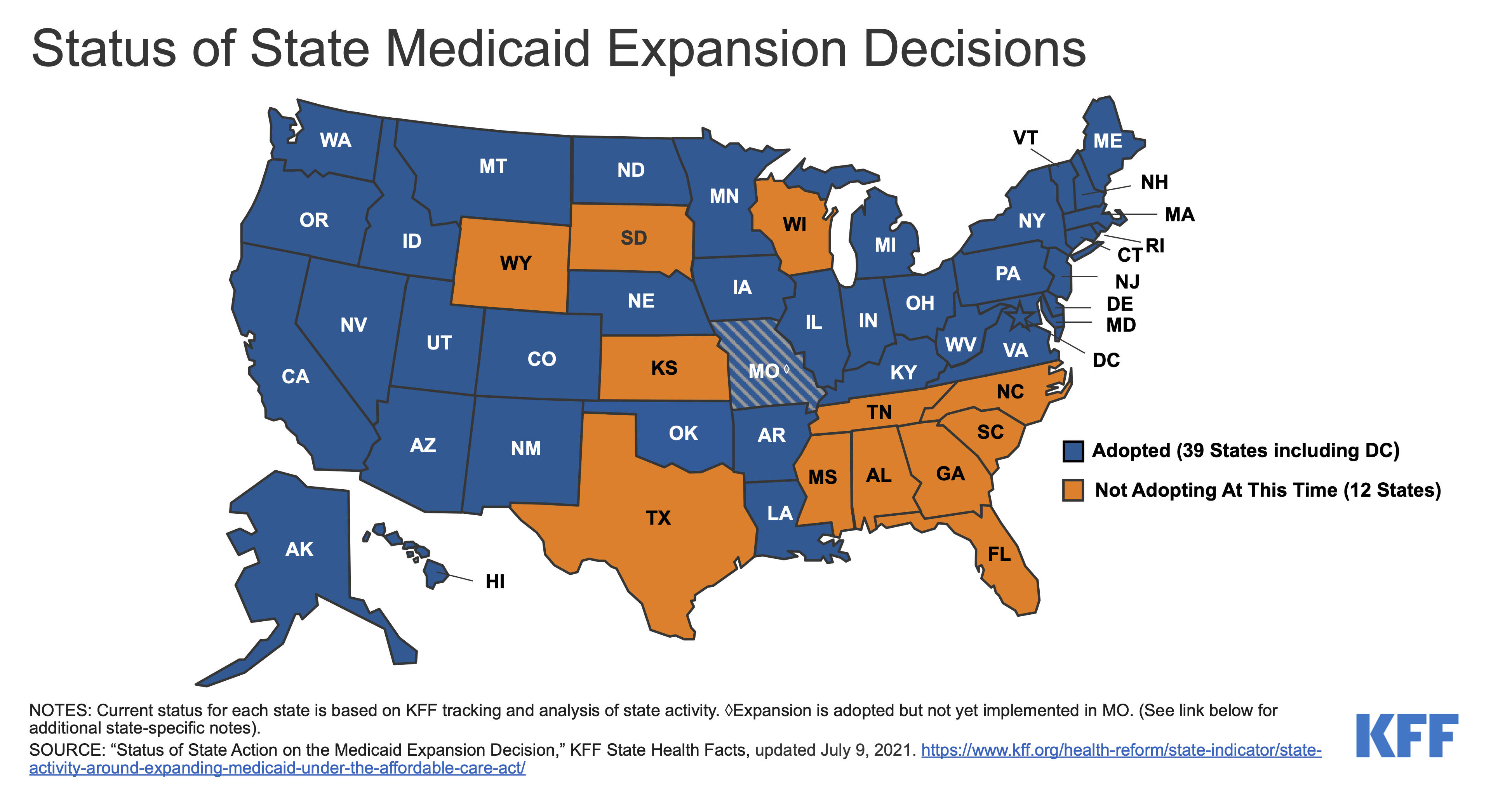

Health Insurance Coverage and Access to Care for American Indians and Alaska Natives: Current Trends and Key Challenges (July 2021) [PDF]
The Affordable Care Act and Indian Country

Search
Filed Under
Tags
More Headlines
Native America Calling: Persistent heat puts strain on people, the environment, and the economy
Chuck Hoskin: Cherokee Nation creates opportunities close to home
Native America Calling: Increasing hurdles and uncertainty put strains on Native beef producers and farmers
‘Let’s go’: Peggy Flanagan wins Democratic primary for U.S. Senate seat in Minnesota
Native America Calling: Native Playlist with Thomas Michael Swensen and Debora Iyall
Native America Calling: Tribes face record-setting wildfire destruction
NAFOA: 5 Things You Need to Know This Week (August 10, 2026)
Chuck Hoskin: Cherokee Nation invests in tomorrow’s leaders
Native America Calling: August primary elections offer insights on Native candidates’ prospects
Native America Calling: Testing the limits of religious freedom in Indian Country
Native America Calling: When is it OK to let a Native language die?
NAFOA: 5 Things You Need to Know This Week (August 3, 2026)
Chuck Hoskin: Cherokee Nation keeps fiscal promises
Native America Calling: New outbreak of food-borne illness shakes public confidence in food supply
AUDIO: Legislative Hearing to receive testimony on S.3573, S.3617, S.4368, S.4417 & S.4890
More Headlines
Chuck Hoskin: Cherokee Nation creates opportunities close to home
Native America Calling: Increasing hurdles and uncertainty put strains on Native beef producers and farmers
‘Let’s go’: Peggy Flanagan wins Democratic primary for U.S. Senate seat in Minnesota
Native America Calling: Native Playlist with Thomas Michael Swensen and Debora Iyall
Native America Calling: Tribes face record-setting wildfire destruction
NAFOA: 5 Things You Need to Know This Week (August 10, 2026)
Chuck Hoskin: Cherokee Nation invests in tomorrow’s leaders
Native America Calling: August primary elections offer insights on Native candidates’ prospects
Native America Calling: Testing the limits of religious freedom in Indian Country
Native America Calling: When is it OK to let a Native language die?
NAFOA: 5 Things You Need to Know This Week (August 3, 2026)
Chuck Hoskin: Cherokee Nation keeps fiscal promises
Native America Calling: New outbreak of food-borne illness shakes public confidence in food supply
AUDIO: Legislative Hearing to receive testimony on S.3573, S.3617, S.4368, S.4417 & S.4890
More Headlines