Indianz.Com > News > Howard Center for Investigative Journalism: Child sexual abuse in Indian Country goes unprosecuted
The federal trust
‘No justice, just unfairness’
Tuesday, August 24, 2021
Howard Center for Investigative Journalism
Chapter 2 of four parts
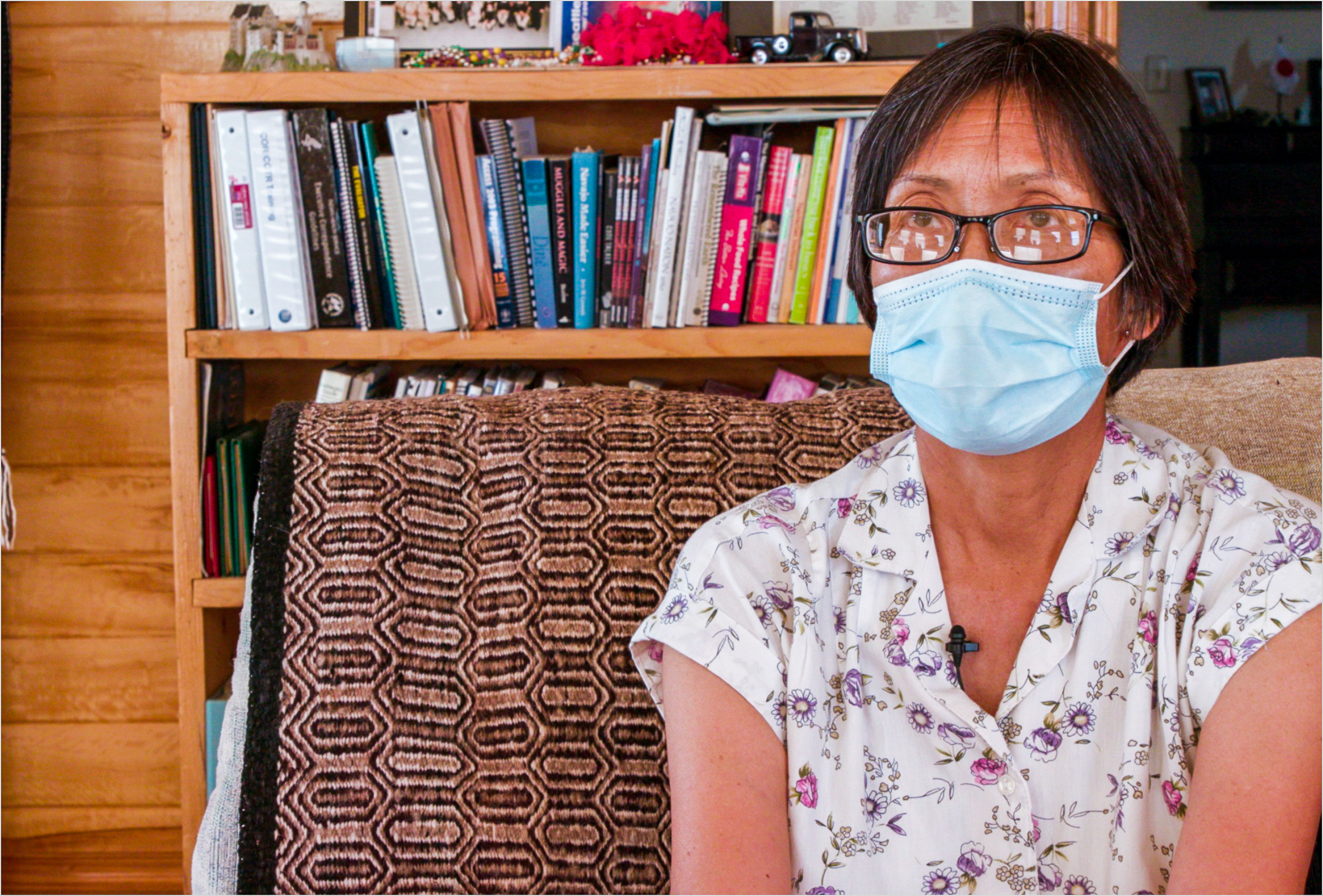
Every day that Christine Benally looks out of the window of her home, she’s reminded of how the federal government failed to protect her child. Some 200 yards away sits the house of the man she says sexually assaulted her son.
In November 2005, Benally’s then-13-year-old son told her that he had been sexually abused by a relative over several years. What happened next, based on records Benally provided to the Howard Center, was a by-the-book approach to seeking help.
Benally filed a crime report with the Navajo Nation Police Department in Shiprock, New Mexico, and also contacted social services. When she and her son met with police, they provided the names of those involved, including the suspect, the time frame of the incidents and location of the alleged crimes. According to Navajo police records, the suspect “confessed to the allegations.”

Where ‘truth comes to die’
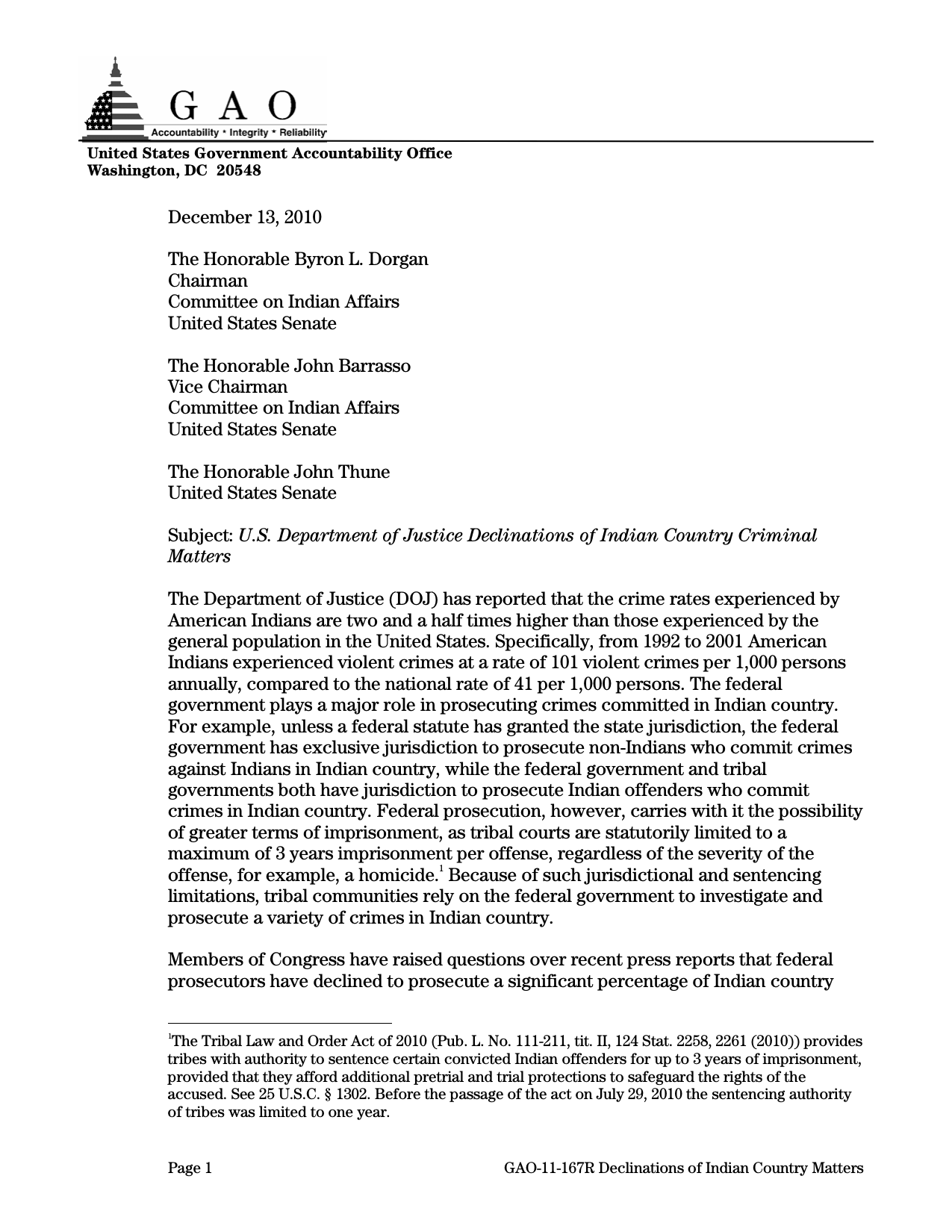
FBI agents are often the federal government’s first representative on the scene of a reported crime in Indian Country, even though they may live and work hundreds of miles away. In Colorado, for example, the Southern Ute Indian Tribe and the Ute Mountain Ute Tribe are between a 320- and 400-mile drive from the Denver offices of the FBI and U.S. attorney. Given that the FBI has no 911-like intake process, agents are always one degree removed from any Indian Country investigation.
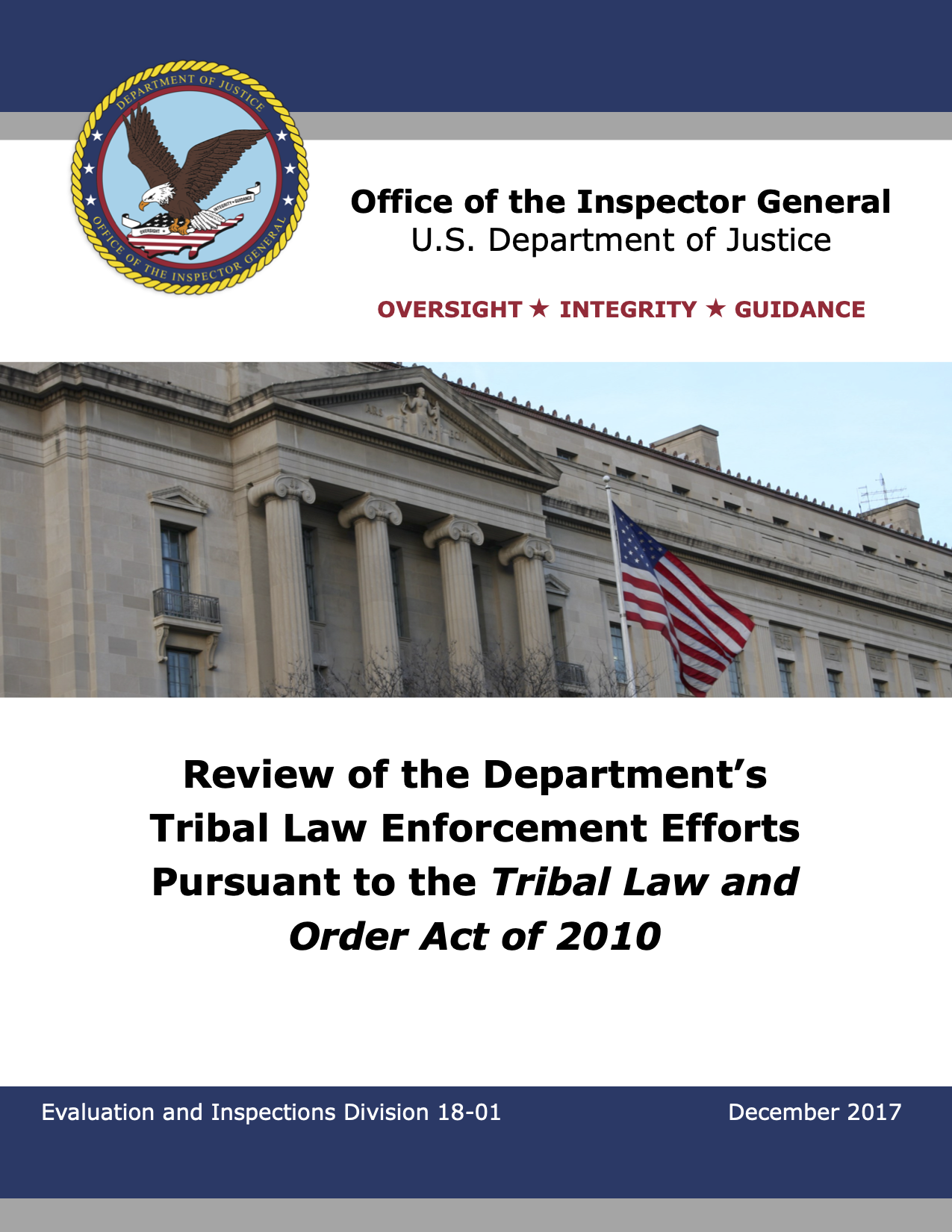
The Justice Department’s inspector general also noted that FBI agents received inadequate training, despite the unique cultural, jurisdictional and geographic challenges of working in Indian Country. High-turnover rates among agents working in Indian Country, considered a hardship post under agency guidelines, make it difficult to build relationships with tribal authorities, which ultimately affects the quality of investigations.
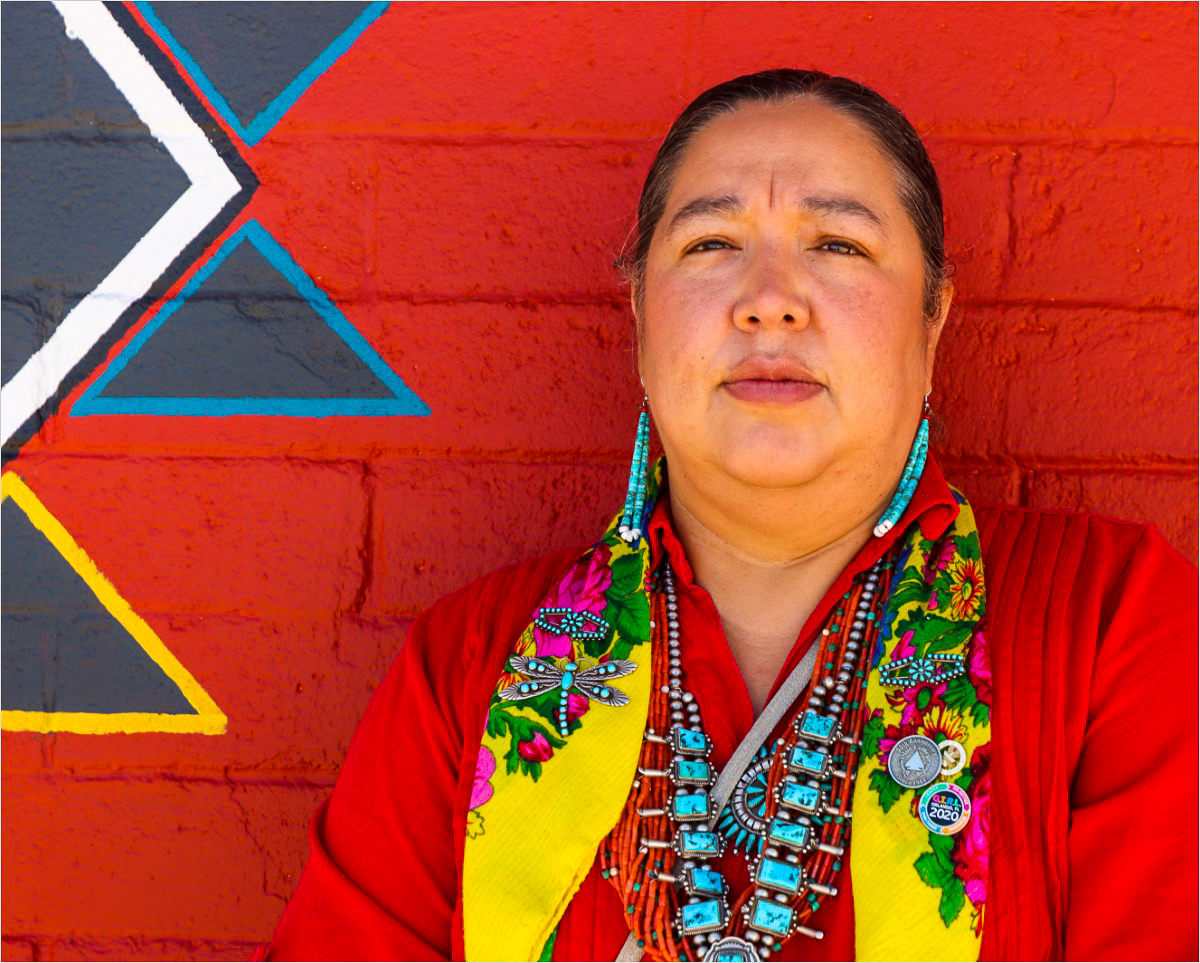
Timothy Purdon, the former U.S. attorney for North Dakota, said there was sometimes a “lack of quality investigations” so that when an abuse case reached the federal prosecutor’s desk there was insufficient evidence for a conviction. He said he often encouraged his FBI partners to allocate more resources for investigating child sexual abuse in Indian Country: “You’re constantly fighting with the Bureau to get them to prioritize these cases.”
The former FBI agent in Indian Country, who asked not to be named so that he could speak freely, said the decision to decline a child sex abuse case had a lot to do with a prosecutor’s “comfort level” and that U.S. attorneys were more accustomed to cases that are “cut and dried.”
He also said there was virtually no oversight, beyond front-line supervisors, of FBI agents’ decisions to close cases, and senior management “never ever look at (closed) cases due to insufficient evidence in Indian Country.”
Wyn Hornbuckle, the Justice Department spokesman, highlighted seven cases over the last six years of “significant prosecution” of child sex abuse in Indian Country, leading to convictions, ranging from life to less than two years.
But even when such cases seemingly have everything needed for conviction, they can still fall apart.
In September 2013, Leo Thompson, a member of the Navajo Nation, pleaded guilty to sexually abusing his girlfriend’s granddaughter when she was 12. But before his sentencing hearing, the victim sent two letters to the court recanting her accusation. From there the case collapsed — charges were dropped, and Thompson went free.
Researchers Grace Oldham and Rachel Gold contributed to this story. It was produced by the Howard Center for Investigative Journalism at Arizona State University’s Walter Cronkite School of Journalism and Mass Communication, an initiative of the Scripps Howard Foundation in honor of the late news industry executive and pioneer Roy W. Howard. For more see azpbs.org/littlevictims. Contact the Howard Center for Investigative Journalism at howardcenter@asu.edu or on Twitter @HowardCenterASU.
Related Stories
Howard Center for Investigative Journalism: Child sexual abuse in Indian Country goes unprosecuted (August 18, 2021)
Search
Filed Under
Tags
More Headlines
Native America Calling: Where do Native Americans fit in with America’s Semiquincentennial celebration?
Native America Calling: New post office rule is among potential hurdles for Native voters
Native America Calling: Remembering Ben Nighthorse Campbell and Harvey Pratt
President Trump vetoes tribal homelands bill with swipe at trust relationship
Native America Calling: The Pleiades star cluster ushers in winter story season
NAFOA: 5 Things You Need to Know This Week (January 5, 2026)
Native America Calling: Native in the Spotlight with Elaine Miles
Native America Calling: Gearing yourself up for 2026
Statement: Chairman of Miccosukee Tribe on veto of homelands bill
Native America Calling: Lumbee Nation secures its sovereign status
Chuck Hoskin: Cherokee Nation builds on tradition with technology
Native America Calling: The Year in Native News
Native America Calling: Native music in 2025
Native America Calling: Amid Greenland’s independence push, Denmark accounts for colonial blunders
Senate Committee on Indian Affairs sets business meeting and hearing
More Headlines
Native America Calling: New post office rule is among potential hurdles for Native voters
Native America Calling: Remembering Ben Nighthorse Campbell and Harvey Pratt
President Trump vetoes tribal homelands bill with swipe at trust relationship
Native America Calling: The Pleiades star cluster ushers in winter story season
NAFOA: 5 Things You Need to Know This Week (January 5, 2026)
Native America Calling: Native in the Spotlight with Elaine Miles
Native America Calling: Gearing yourself up for 2026
Statement: Chairman of Miccosukee Tribe on veto of homelands bill
Native America Calling: Lumbee Nation secures its sovereign status
Chuck Hoskin: Cherokee Nation builds on tradition with technology
Native America Calling: The Year in Native News
Native America Calling: Native music in 2025
Native America Calling: Amid Greenland’s independence push, Denmark accounts for colonial blunders
Senate Committee on Indian Affairs sets business meeting and hearing
More Headlines