Indianz.Com > News > Aaron Payment: Protecting treaty rights and tribal sovereignty by protecting voting
End the Filibuster to Protect Indian Voting Rights
Monday, August 30, 2021
Chairperson, Sault Ste. Marie Tribe of Chippewa Indians
Do certain sets of circumstances lie ahead of us wherein we change the world radically by the choices we make?— Dr. Vine Deloria Jr. (Standing Rock Sioux) I begin with the above quote as the exercise of our voting rights to protect our treaty rights and our tribal sovereignty is a stake. Advocating for our tribal nations and our people through participation in the political process is one of the most important choices we can make. Retired Lt. Governor Jefferson Keel (Chickasaw Nation, former NCAI President) once said that we are not R or D but I for Indian. It is up to each of us to participate in the political process beyond partisanship. At the core of our participation is voting and informing oneself of which candidates will protect our treaty rights. Reinforced through judicial precedence, legislation, and ebbs and flows of Presidential Administrations, the treaty and trust obligation is a dynamic, not a static concept. Our funding is not charity or welfare or even reparations but pre-paid with over 500 million acres of Indian ceded lands. Upholding the treaty and trust obligation is only as real or protected as the next federal election. It is important to reinforce the importance of voting during this tumultuous time when state legislatures are passing laws at record speed to make it more difficult for all Americans to exercise our right to vote. Early American political activist Thomas Paine once said, “The right [to vote] …is the primary right by which other rights are protected.” As the last U.S. citizens to be granted the right to vote in 1924, American Indians know best how the act of limiting our rights serves to disenfranchise and marginalize a whole population. Even after women, African Americans and other races, and American Indians were granted the right to right to vote, various legislative efforts at the state level continued limited access to the ballot box. Not until the Civil Rights Act of 1965 was enacted did some semblance of a true equal right to vote emerge.
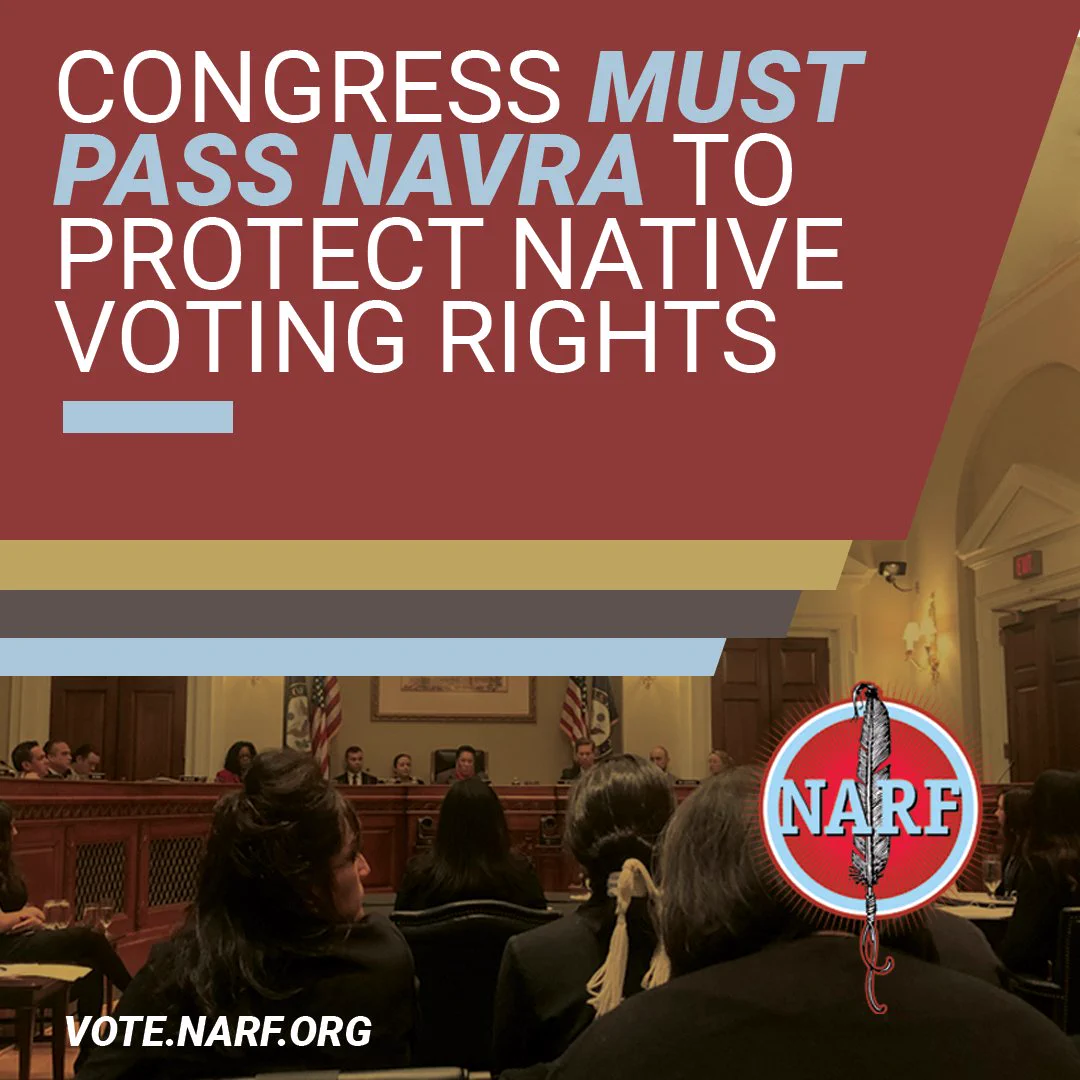
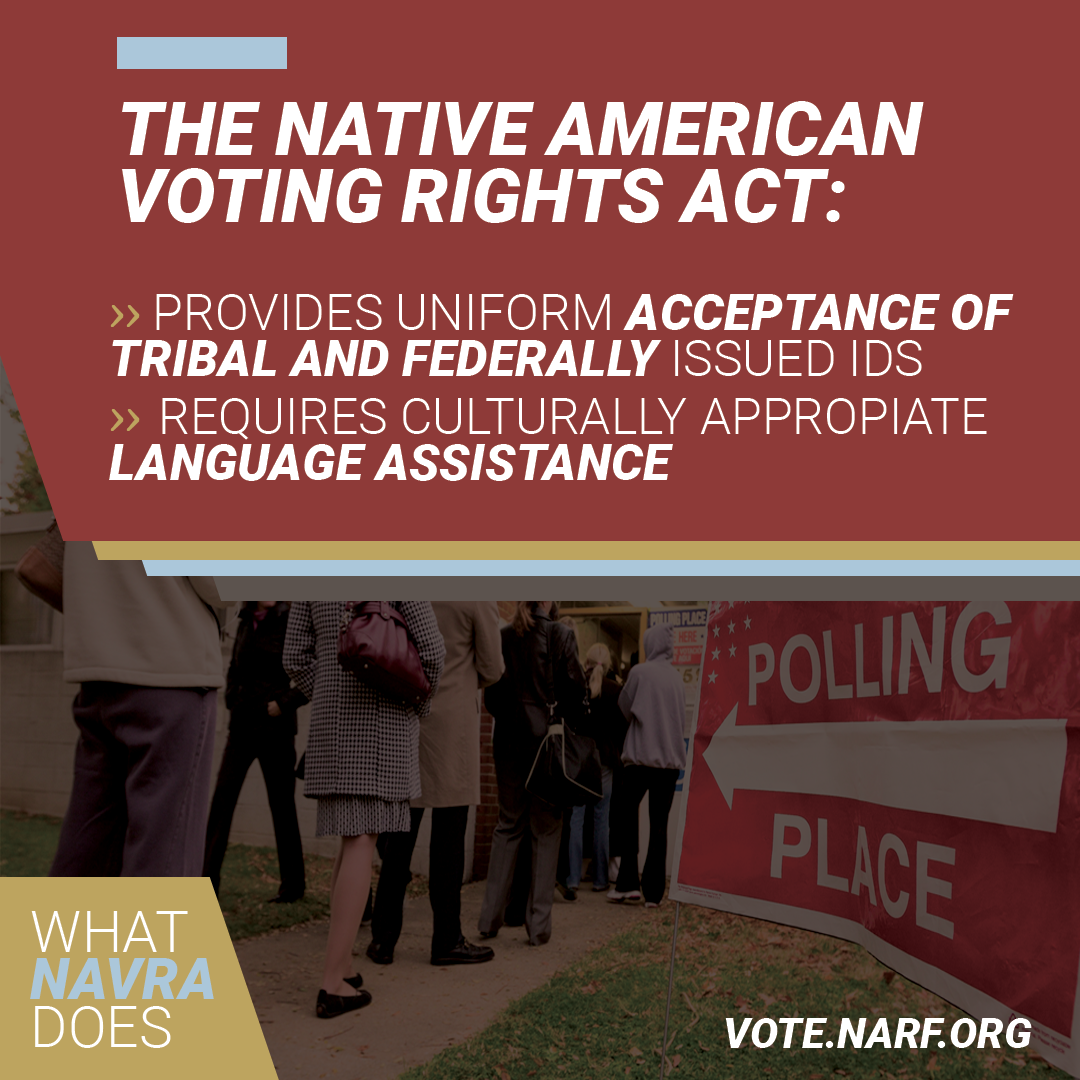
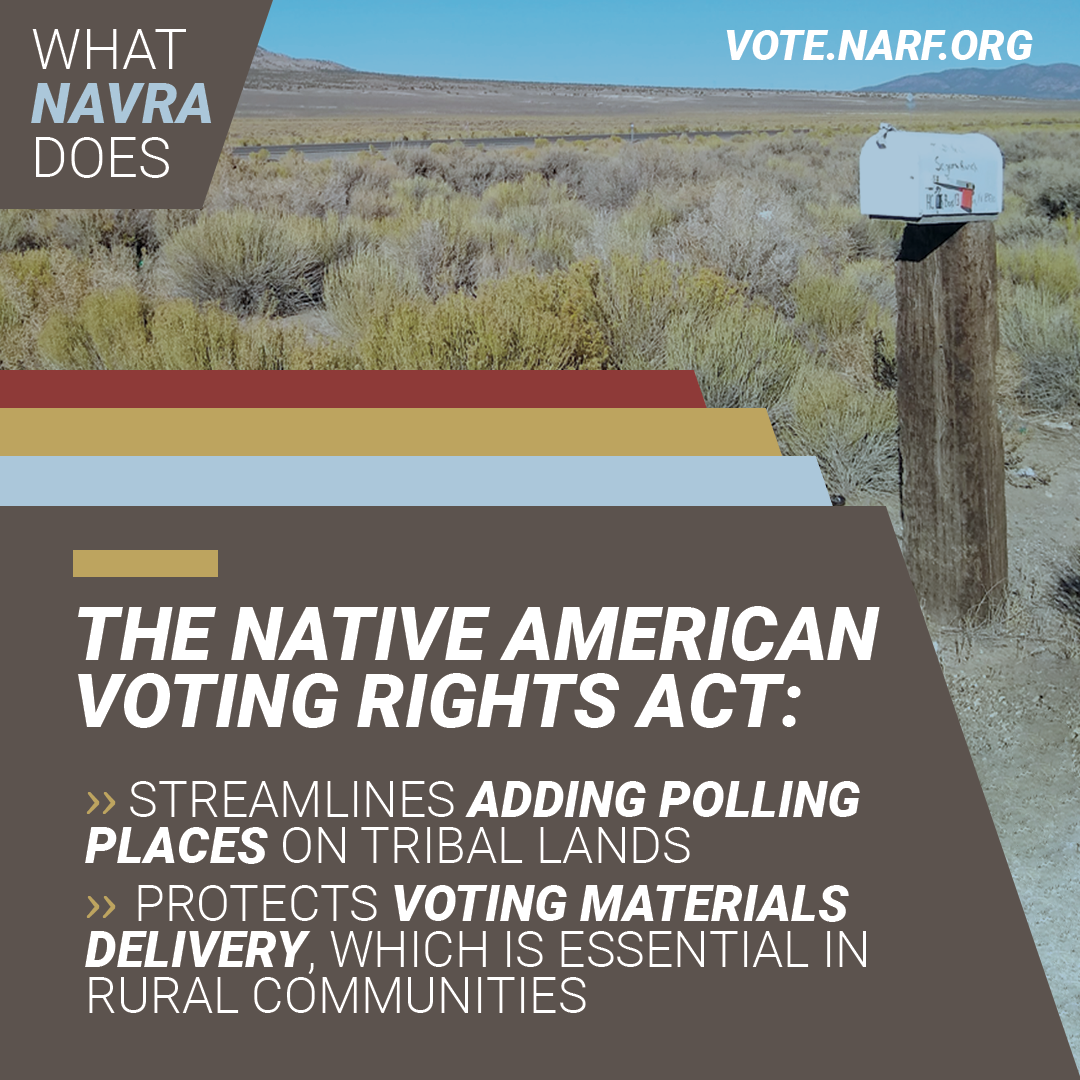
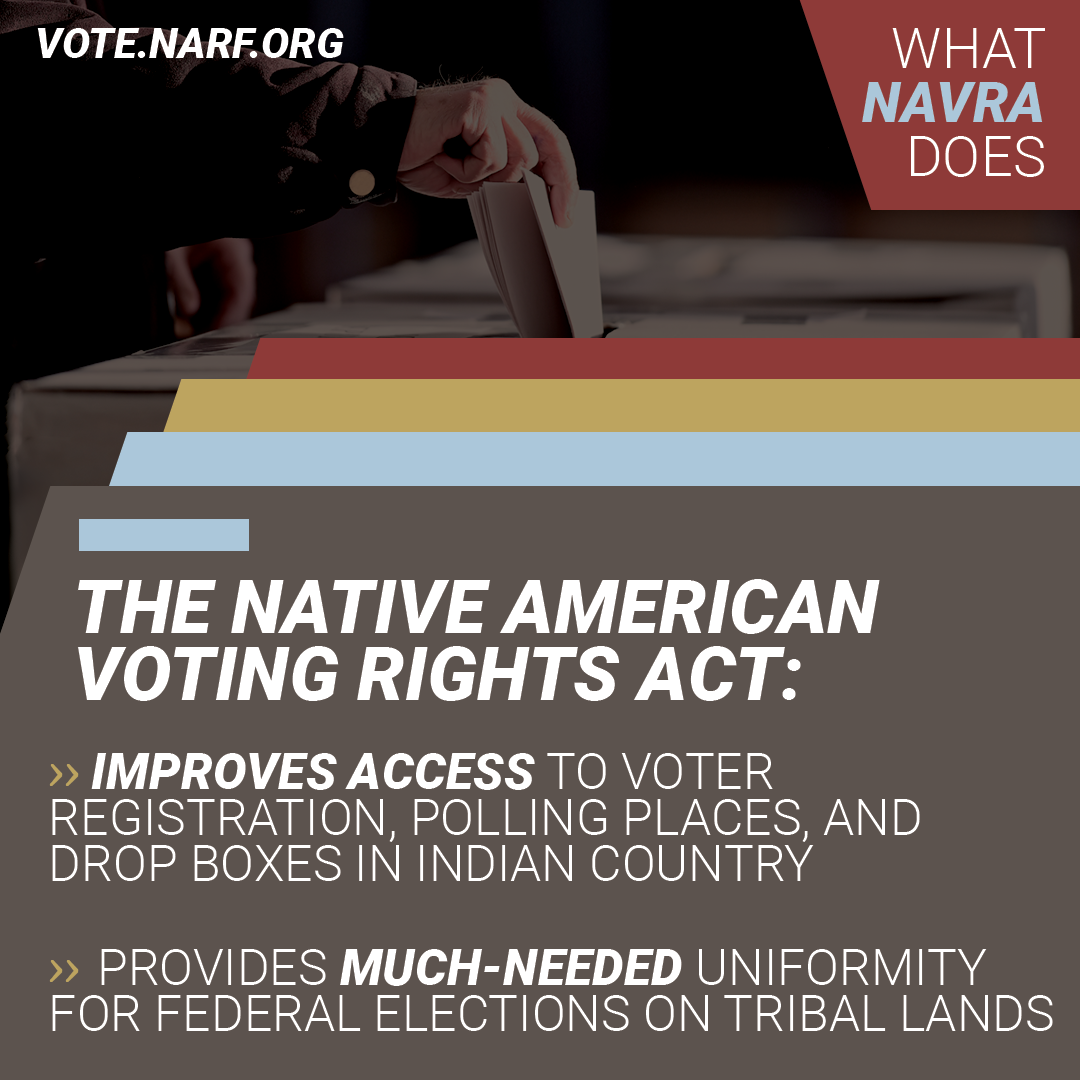
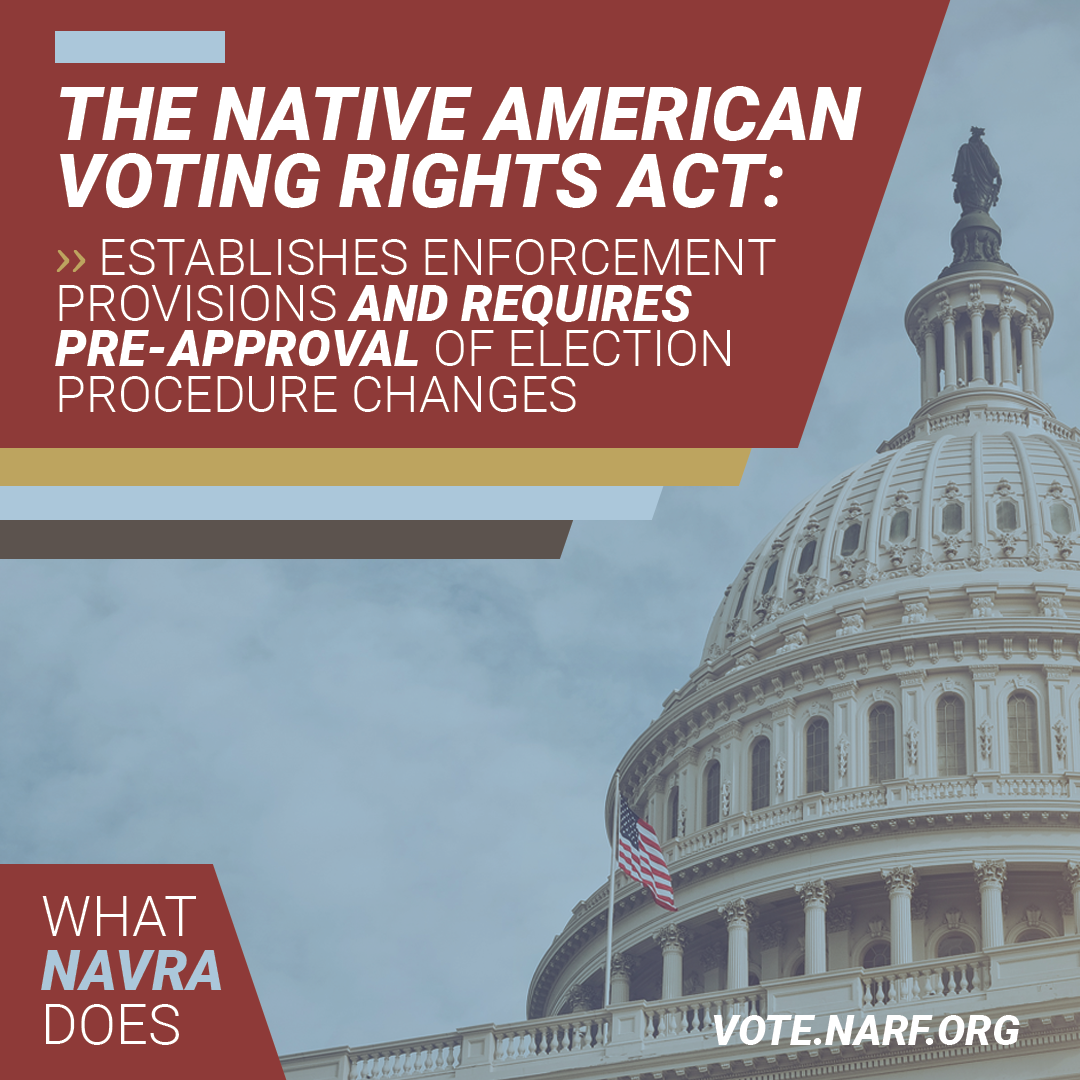
Native American Voting Rights Act Social Media Toolkit: vote.narf.org
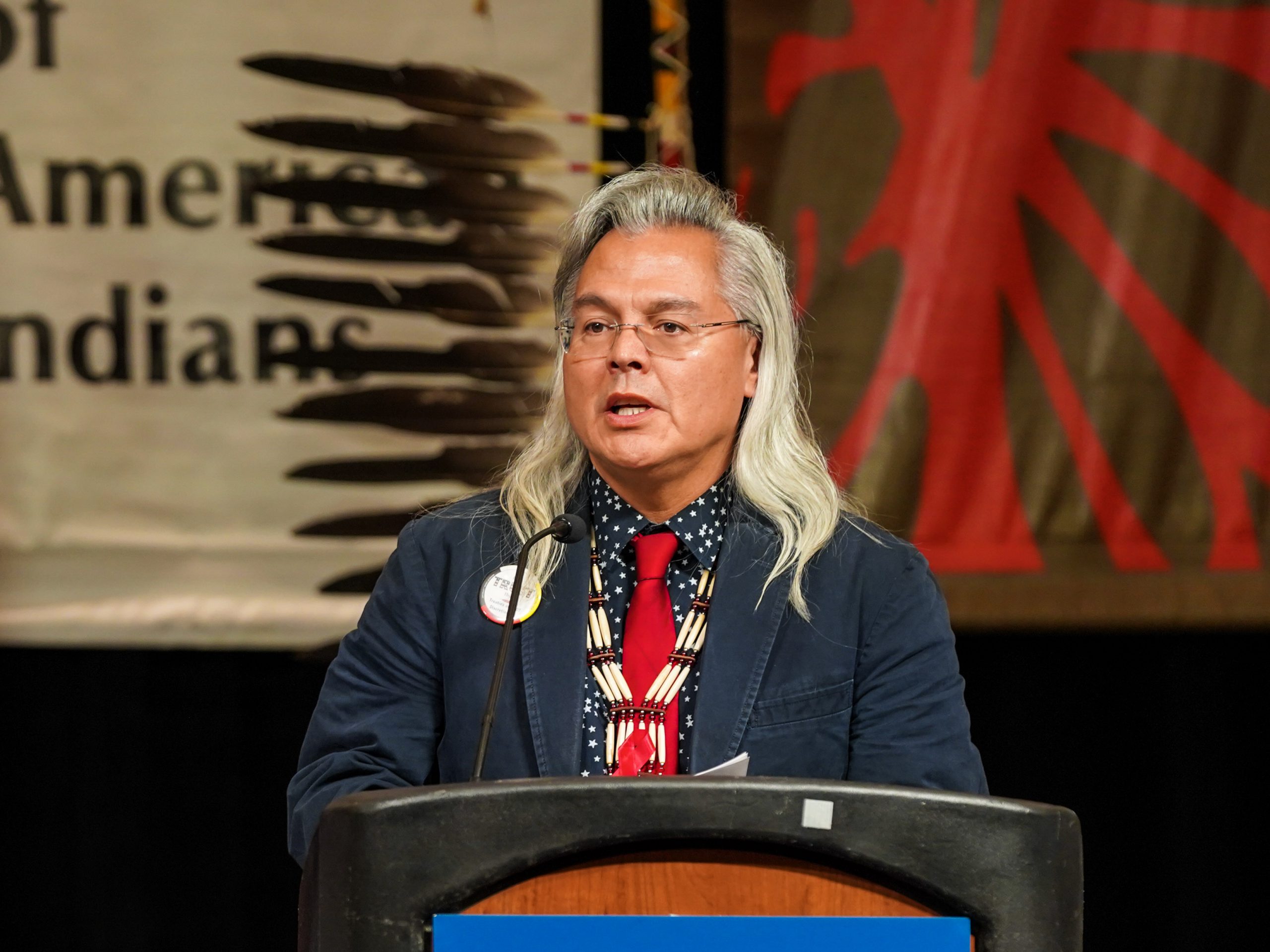
Chairperson Aaron Payment, a high school dropout at 15, earned a GED at 16 and entered college at 17. Dr Payment holds a doctorate degree in education, a master’s in education specialist, a master’s in education administration and a master’s in public administration. He also serves as the 1st Vice President of the National Congress of American Indians, President of the Midwest Alliance of Sovereign Tribes, and President of the United Tribes of Michigan.
Search
Filed Under
Tags
More Headlines
Native America Calling: Assessing college campus safety in light of troubling allegations at Cornell University
Native America Calling: Native authors and book sellers reflect on a record year for banned books
Native America Calling: Native Playlist with Jeremy Dutcher and Mali Obomsawin
Native America Calling: What removing questions about race from the U.S. Census means for Native Americans
Chuck Hoskin: Cherokee Nation employees serve their communities
Native America Calling: One tribe breaks from the pack on prediction markets
Native America Calling: Finding success through the art of contemporary horsemanship
Testimony: Stephanie Bryan, Poarch Band of Creek Indians
Testimony: Michell Hicks, Eastern Band of Cherokee Indians
Testimony: Mark Macarro, Pechanga Band of Indians
Testimony: Patricia Leach, Catawba Nation
Testimony: Bryan Mercier, Bureau of Indian Affairs
Senate Committee on Indian Affairs holds business meeting and legislative hearing
Native America Calling: How Indigenous voices adapt to rapidly-evolving media
Native America Calling: PBS documentary ‘Knowledge Keepers’ explores Native scientific innovations
More Headlines
Native America Calling: Native authors and book sellers reflect on a record year for banned books
Native America Calling: Native Playlist with Jeremy Dutcher and Mali Obomsawin
Native America Calling: What removing questions about race from the U.S. Census means for Native Americans
Chuck Hoskin: Cherokee Nation employees serve their communities
Native America Calling: One tribe breaks from the pack on prediction markets
Native America Calling: Finding success through the art of contemporary horsemanship
Testimony: Stephanie Bryan, Poarch Band of Creek Indians
Testimony: Michell Hicks, Eastern Band of Cherokee Indians
Testimony: Mark Macarro, Pechanga Band of Indians
Testimony: Patricia Leach, Catawba Nation
Testimony: Bryan Mercier, Bureau of Indian Affairs
Senate Committee on Indian Affairs holds business meeting and legislative hearing
Native America Calling: How Indigenous voices adapt to rapidly-evolving media
Native America Calling: PBS documentary ‘Knowledge Keepers’ explores Native scientific innovations
More Headlines