Indianz.Com > News > Doug George-Kanentiio: Residential school survivors deserve justice, not an apology
We Don’t Want an Apology: We Want Justice
Wednesday, April 6, 2022
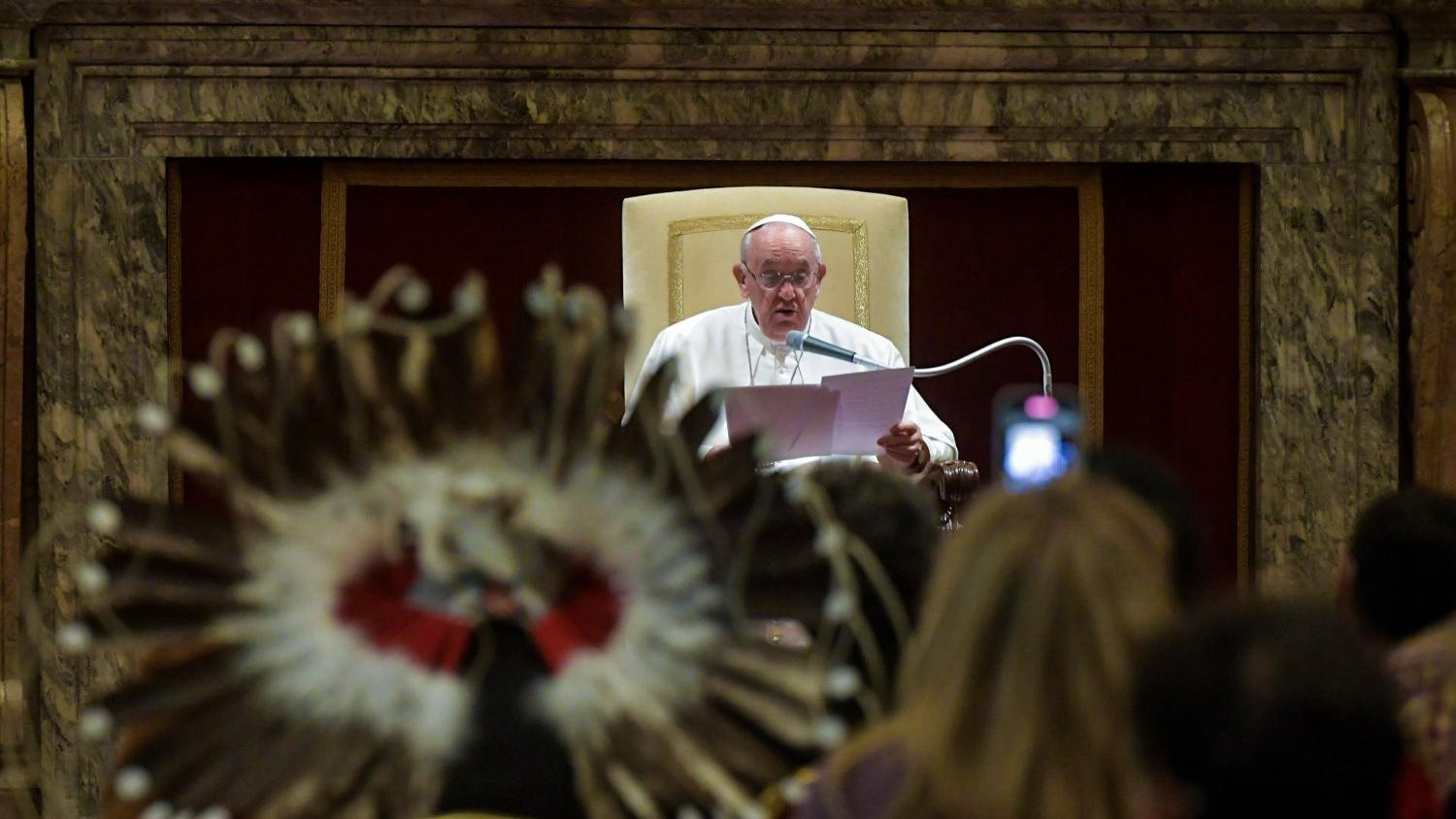
There is a reason why the Six Nations-Haudenosaunee (Iroquois) were not invited to Rome to meet the pope and secure an apology for the victims of the residential schools — we don’t want an apology, we want justice.
Tens of thousands of Native children suffered abuse by the residential schools administered by the Roman Catholic Church with the compliance of the provincial and federal governments and it may well be proven thousands died either by murder or neglect by the priests. nuns and staff at the schools.
I was baptized into the Church as a child at the Akwesasne Mohawk Territory. I was taken against my will to the Mohawk Institute in Brantford, Ontarior, 600 kilometers (373 miles) from my home and, along with the two dozen other Akwesasronon (people from Akwesasne) endured sexual, mental and physical abuse while being denied adequate food and health care, our bodies marked by open sores and rotting teeth leaving permanent scars.

 youtu.be
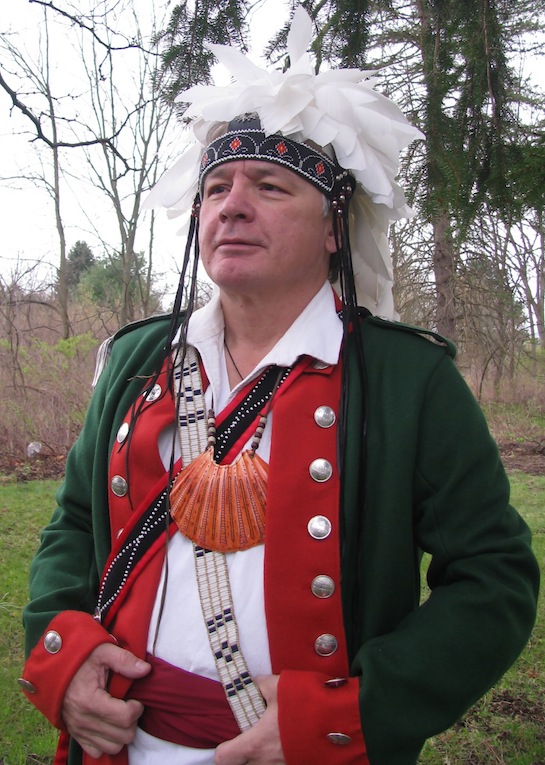
Doug George-Kanentiio, Akwesasne Mohawk, is a residential school survivor. He was given the number 4-8-2-738. He serves as the vice-president of the Hiawatha Institute for Indigenous Knowledge. He previously served as a Trustee for the National Museum of the American Indian, is a former land claims negotiator for the Mohawk Nation and is the author of numerous books and articles about the Mohawk people. He may be reached via e-mail at: Kanentiio@aol.com or by calling 315-415-7288.
Note: Content © Doug George-Kanentiio
Search
Filed Under
Tags
More Headlines
Native America Calling: How a young Ponca activist shaped the future of Native activism
Native America Calling: Tribes remain excluded from some major water policy decisions
Native America Calling: Assessing college campus safety in light of troubling allegations at Cornell University
Native America Calling: Native authors and book sellers reflect on a record year for banned books
Native America Calling: Native Playlist with Jeremy Dutcher and Mali Obomsawin
Native America Calling: What removing questions about race from the U.S. Census means for Native Americans
Chuck Hoskin: Cherokee Nation employees serve their communities
Native America Calling: One tribe breaks from the pack on prediction markets
Native America Calling: Finding success through the art of contemporary horsemanship
Testimony: Stephanie Bryan, Poarch Band of Creek Indians
Testimony: Michell Hicks, Eastern Band of Cherokee Indians
Testimony: Mark Macarro, Pechanga Band of Indians
Testimony: Patricia Leach, Catawba Nation
Testimony: Bryan Mercier, Bureau of Indian Affairs
Senate Committee on Indian Affairs holds business meeting and legislative hearing
More Headlines
Native America Calling: Tribes remain excluded from some major water policy decisions
Native America Calling: Assessing college campus safety in light of troubling allegations at Cornell University
Native America Calling: Native authors and book sellers reflect on a record year for banned books
Native America Calling: Native Playlist with Jeremy Dutcher and Mali Obomsawin
Native America Calling: What removing questions about race from the U.S. Census means for Native Americans
Chuck Hoskin: Cherokee Nation employees serve their communities
Native America Calling: One tribe breaks from the pack on prediction markets
Native America Calling: Finding success through the art of contemporary horsemanship
Testimony: Stephanie Bryan, Poarch Band of Creek Indians
Testimony: Michell Hicks, Eastern Band of Cherokee Indians
Testimony: Mark Macarro, Pechanga Band of Indians
Testimony: Patricia Leach, Catawba Nation
Testimony: Bryan Mercier, Bureau of Indian Affairs
Senate Committee on Indian Affairs holds business meeting and legislative hearing
More Headlines