Indianz.Com > News > MSU News: Grant helps tribes address transportation needs
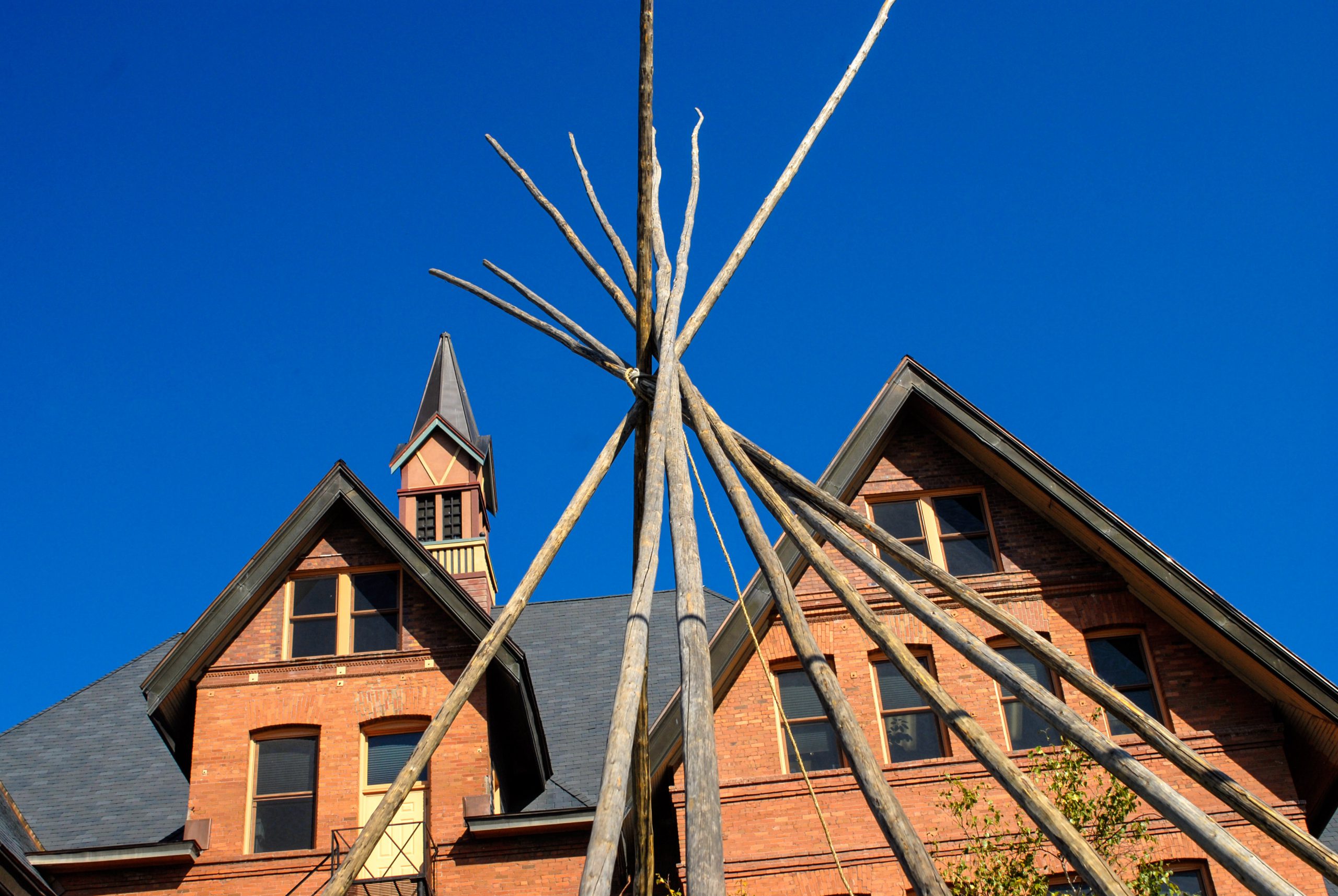
Montana State part of $2.25M tribal transportation effort
Tuesday, November 29, 2022
MSU News Service
BOZEMAN — As part of a consortium that was recently awarded up to $2.25 million from the U.S. Department of Transportation, the Western Transportation Institute at Montana State University will provide transportation outreach and technical assistance to tribes across the Upper Great Plains and Intermountain West.
The five-year funding will support the Tribal Technical Assistance Program, or TTAP, which is led by the Upper Great Plains Transportation Institute at North Dakota State University. The program will work with American Indian tribal governments to build tribal capacity in program management, grow the tribal workforce, cultivate and coordinate partnerships, facilitate technology transfer and the implementation of innovations, and share results of similar initiatives across the country.
The work will be conducted in cooperation with the Federal Highway Administration and the Bureau of Indian Affairs. The initial grant is for roughly $600,000 for two years with the potential for extensions and expansion over the next five years.
“WTI looks forward to sharing with tribes in our region, building their capacity to administer and manage their own transportation programs and systems,” said WTI Executive Director David Kack. “WTI has a long history of solving rural road challenges and collaborating with tribes, as well as partnering with the Upper Great Plains Transportation Institute.”
The Northern Tribal Technical Assistance Center will serve the BIA’s Rocky Mountain and Great Plains Regions, which includes 29 tribes across Montana, Nebraska, North Dakota, South Dakota and Wyoming. Eight of these tribes are located in Montana. The funds will be shared through NDSU with MSU, South Dakota State University and the University of Wyoming.
All of the participating universities host and manage existing FHWA-funded Local Technical Assistance Programs, or LTAPs, that provide transportation outreach to local units of government. WTI houses Montana’s LTAP.
There is also considerable expertise within the collaborating universities focused on rural roads, rural road safety, and other transportation issues faced by tribes, Kack noted. The collective resources and outreach experience will be invaluable to the efforts of the Northern TTAP, he said.
The Northern TTAP will also work closely with state departments of transportation in the region to tap expertise within those departments and to help them better integrate tribal transportation networks into their own statewide and regional networks.

MSU News Service shares stories about Montana State University in Bozeman, Montana, and the accomplishments of its students, faculty, alumni and staff. Follow on Facebook and Twitter.
Search
Filed Under
Tags
More Headlines
Native America Calling: An Indigenous-led opera retells a historic Tlingit act of resistance
Native America Calling: Shifting preservation policies pose risks to Native history
Chuck Hoskin: Cherokee Nation makes tribal government easy to reach
Native America Calling: Persistent heat puts strain on people, the environment, and the economy
Chuck Hoskin: Cherokee Nation creates opportunities close to home
Native America Calling: Increasing hurdles and uncertainty put strains on Native beef producers and farmers
Chuck Hoskin: Cherokee Nation keeps our language alive
‘Let’s go’: Peggy Flanagan wins Democratic primary for U.S. Senate seat in Minnesota
Native America Calling: Native Playlist with Thomas Michael Swensen and Debora Iyall
Native America Calling: Tribes face record-setting wildfire destruction
NAFOA: 5 Things You Need to Know This Week (August 10, 2026)
Chuck Hoskin: Cherokee Nation invests in tomorrow’s leaders
Native America Calling: August primary elections offer insights on Native candidates’ prospects
Native America Calling: Testing the limits of religious freedom in Indian Country
Native America Calling: When is it OK to let a Native language die?
More Headlines
Native America Calling: Shifting preservation policies pose risks to Native history
Chuck Hoskin: Cherokee Nation makes tribal government easy to reach
Native America Calling: Persistent heat puts strain on people, the environment, and the economy
Chuck Hoskin: Cherokee Nation creates opportunities close to home
Native America Calling: Increasing hurdles and uncertainty put strains on Native beef producers and farmers
Chuck Hoskin: Cherokee Nation keeps our language alive
‘Let’s go’: Peggy Flanagan wins Democratic primary for U.S. Senate seat in Minnesota
Native America Calling: Native Playlist with Thomas Michael Swensen and Debora Iyall
Native America Calling: Tribes face record-setting wildfire destruction
NAFOA: 5 Things You Need to Know This Week (August 10, 2026)
Chuck Hoskin: Cherokee Nation invests in tomorrow’s leaders
Native America Calling: August primary elections offer insights on Native candidates’ prospects
Native America Calling: Testing the limits of religious freedom in Indian Country
Native America Calling: When is it OK to let a Native language die?
More Headlines