Indianz.Com > News > U.S. Supreme Court adds more Indian Country cases to docket
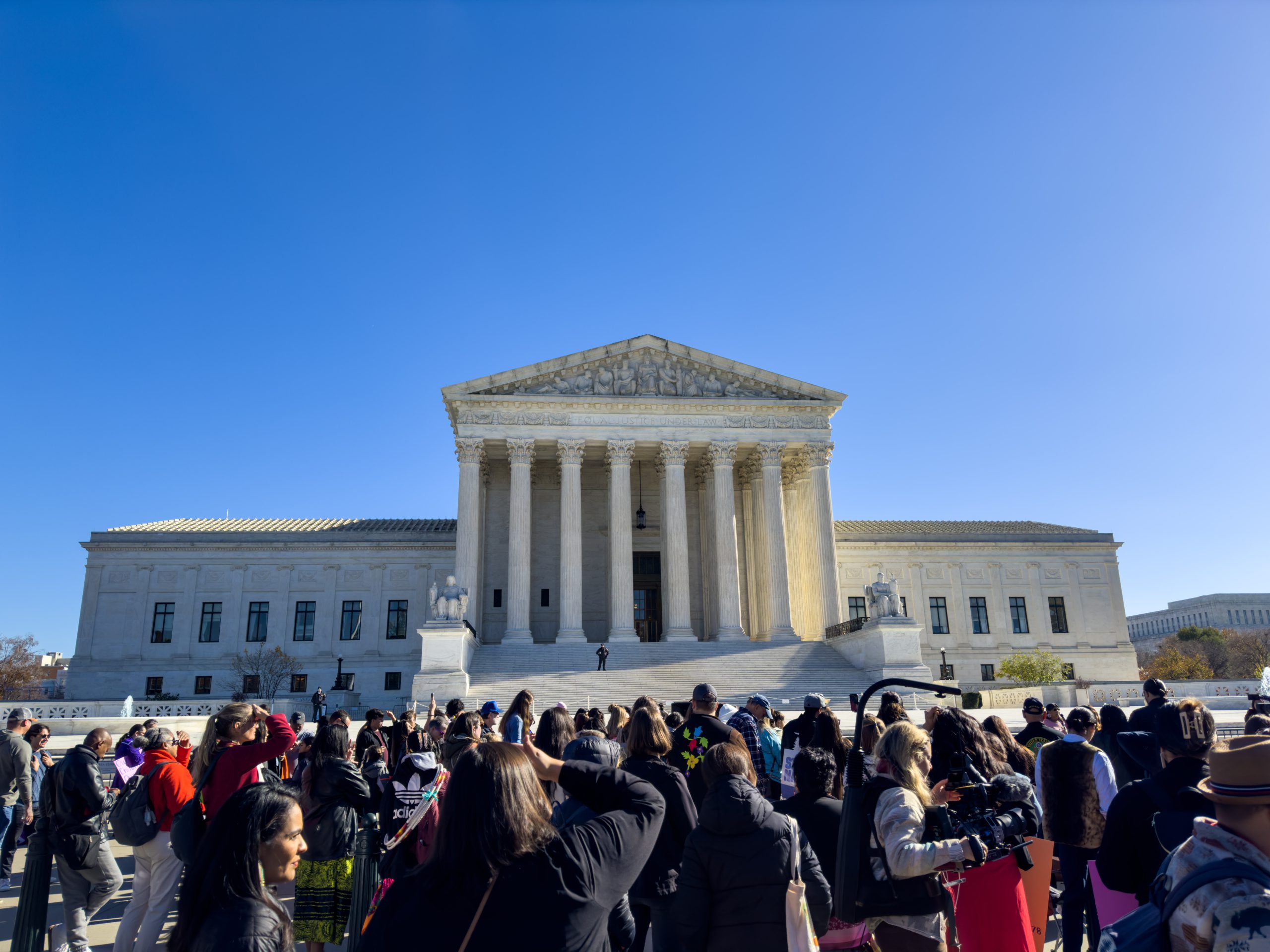
U.S. Supreme Court adds more Indian Country cases to docket
Tuesday, January 24, 2023
Indianz.Com
WASHINGTON, D.C. — Indian Country is gearing up for another round of big cases at the nation’s highest court.
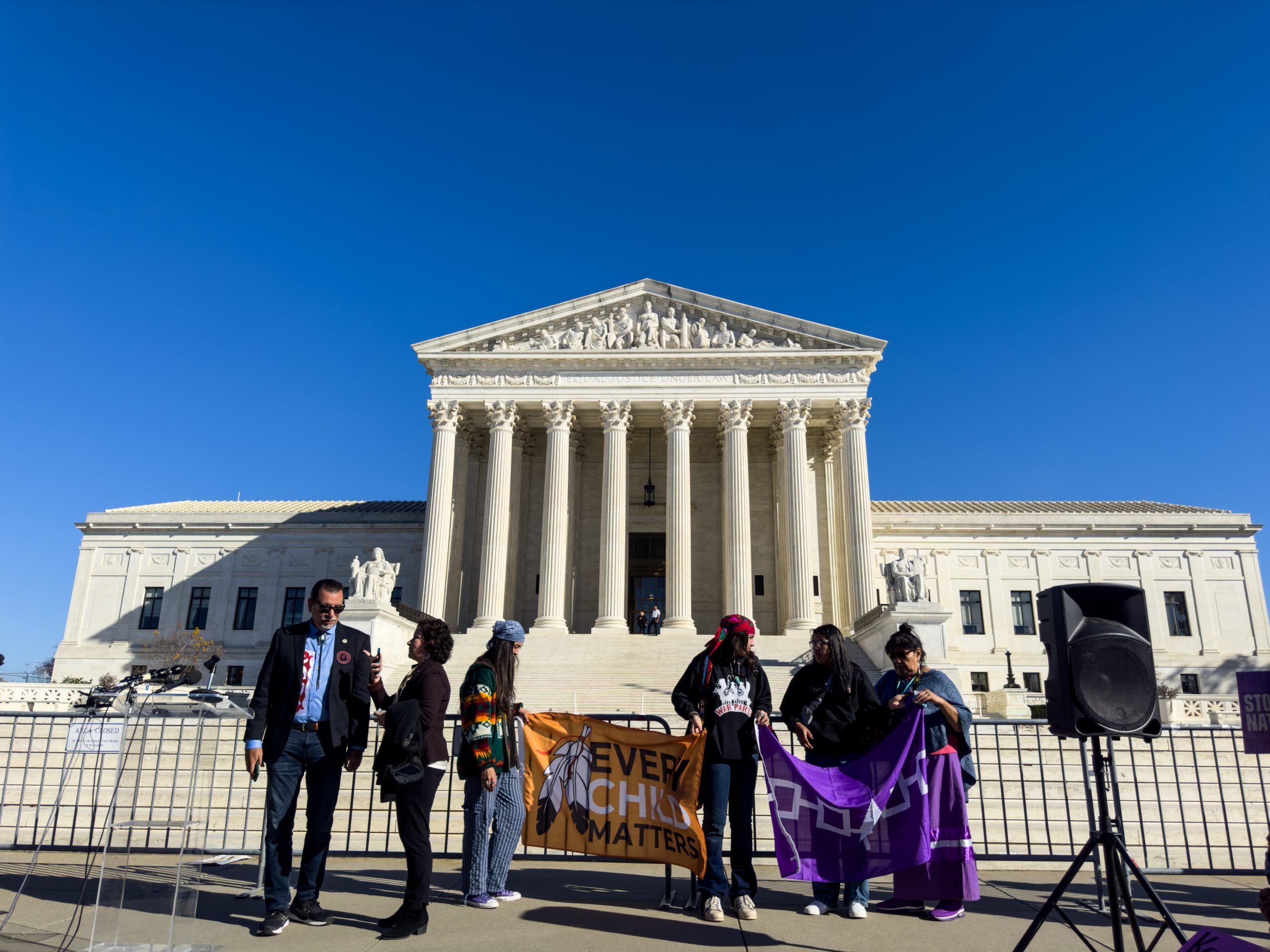
The U.S. Supreme Court already heard one Indian law case this term and it was a major one. Arguments took place last November in Haaland v. Brackeen, a closely-watched dispute that will determine whether tribes can continue to protect their children through the Indian Child Welfare Act.
Two more significant matters have since been added to the docket. On November 4, the justices agreed to decide Department of the Interior v. Navajo Nation, another snigificant case that impacts the federal government’s trust and treaty obligation to provide water to tribal nations.
Then on January 14, the Supreme Court added Lac du Flambeau Band of Lake Superior Chippewa Indians v. Coughlin to its calendar. The outcome will determine whether tribal sovereignty has been abrogated by federal bankruptcy law, an issue that has never been decided by the justices.
Oral arguments in Navajo Nation and Lac du Flambeau Band have yet to be scheduled. But just like Brackeen, tribes and their advocates are paying close attention to the highest court in the land.
“With many high-profile cases on the Court’s docket, court-watchers anticipate that this will be another significant Supreme Court term,” the Native American Rights Fund, the largest Native-run legal organization, said in highlighting the three cases in its most recent update.
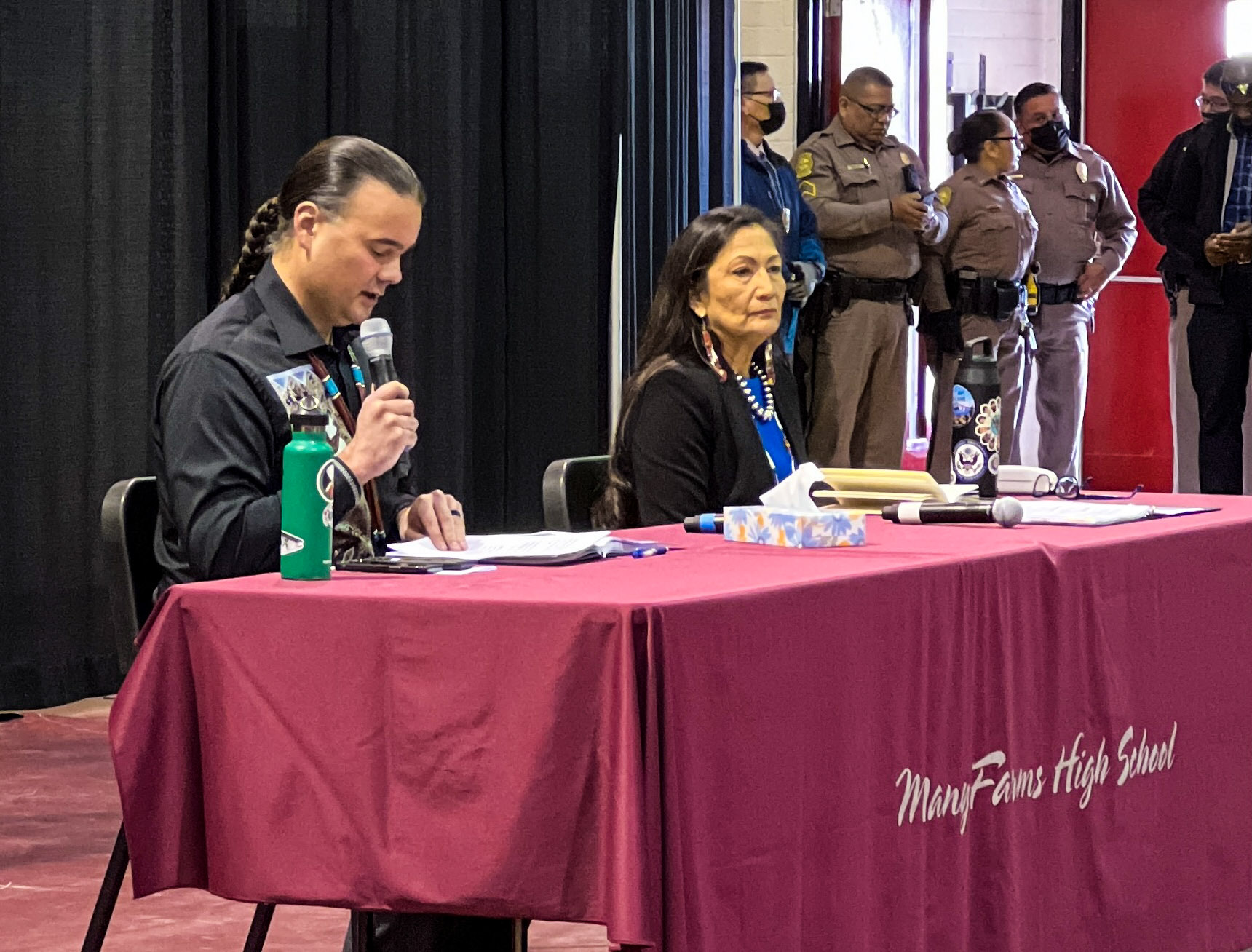
Department of the Interior v. Navajo Nation
Despite being promised water through treaties, laws, executive orders and other federal actions, tribes along the Colorado River were infamously left out of a multi-state compact that was signed in 1922. To this day, the agreement governs how water is divided among seven Western states where some of the largest reservations are located.
More than a century later, the exclusion continues to haunt the Navajo Nation, whose reservation spans three of the states covered by the 1922 Colorado River Compact. The inequity was highlighted in an April 28, 2021, decision from the 9th Circuit Court of Appeals, which tied the federal government’s failure to live up to its trust and treaty obligations to the disproportionate impacts of the COVID-19 pandemic.
“Many homes on the reservation lack running water, making it difficult for tribal members to wash their hands regularly,” Judge Ronald M. Gould wrote for the court.
“The Nation has as a result been particularly affected by the current pandemic, with a death rate higher than that of many other parts of the country,” Gould continued.
The decision was a historic one for the Navajo Nation, opening the door for the tribe to hold the U.S. government accountable for bringing water to reservation residents in Arizona, New Mexico and Utah. The 9th Circuit couldn’t have been more clear, in fact.
“Federal Appellees have an irreversible and dramatically important trust duty requiring them to ensure adequate water for the health and safety of the Navajo Nation’s inhabitants in their permanent home reservation,” the decision said of the obligations owed to the tribe by the Department of the Interior, the Bureau of Reclamation and the Bureau of Indian Affairs.

 YouTube
9th Circuit Court of Appeals Decision
Navajo Nation v.
Department of the Interior (Filed April 28, 2021 / Amended February 17, 2022)
U.S. Supreme Court Documents
Question Presented: Arizona v. Navajo NationDocket No. 21-1484: Arizona v. Navajo Nation
Docket No. 22-51: Department of the Interior v. Navajo Nation
Tribal Supreme Court Project Documents
Arizona v. Navajo Nation (sct.narf.org)Department of the Interior v. Navajo Nation (sct.narf.org)
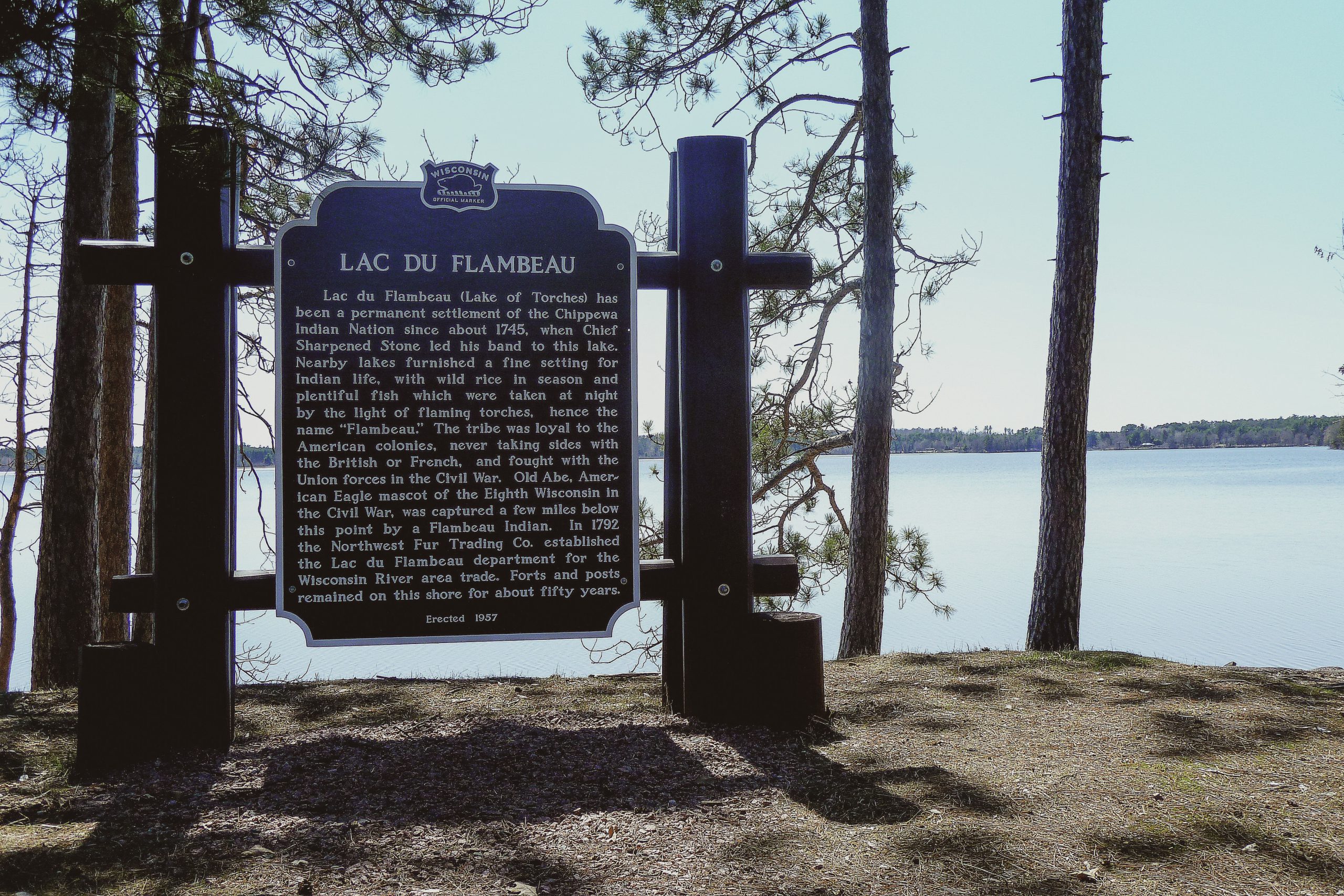
Lac du Flambeau Band of Lake Superior Chippewa Indians v. Coughlin
With Lac du Flambeau Band of Lake Superior Chippewa Indians v. Coughlin, the U.S. Supreme Court will decide a new yet highly-significant question. Does the U.S. Bankruptcy Code “unequivocally” abrogate tribal sovereign immunity, meaning can tribes be sued without their consent in federal bankruptcy court?
According to the 1st Circuit Court of Appeals, the answer is yes. Even though the Bankruptcy Code does not specifically mention tribal governments, the court said they fall under the definition of “domestic government” found in Section 101(27) of federal law.
“First, there is no real disagreement that a tribe is a government,” Judge Sandra L. Lynch wrote in the May 4, 2022, decision. “Tribes are not specifically excluded and fall within the plain meaning of the term governments.”
But the ruling was not unanimous. In a dissent, Chief Judge David J. Barron said Congress has neither “clearly” nor “unequivocally” abrogated tribal sovereign immunity in the section of the U.S. Bankruptcy Code at the heart of the case.
“Why, if Congress wanted to be crystal clear in abrogating tribal immunity through the Code, did it not use the clearest means of abrogating that immunity by including “Indian Tribe” — or its equivalent — in the list of expressly named governmental types that makes up the bulk of Section 101(27)?” Barron wrote in the dissent.
And other appellate courts have come to different conclusions, indicating that the answer to the question is not exactly crystal clear. The 6th Circuit Court of Appeals, in a case involving the Sault Ste. Marie Tribe of Chippewa Indians, ruled that tribal sovereignty has not been abrogated in federal bankruptcy law.
1st Circuit Court of Appeals Decision
Lac du Flambeau Band of Lake Superior Chippewa Indians v. Coughlin (May 6, 2022)Lac du Flambeau Band of Lake Superior Chippewa Indians v. Coughlin (Amended 6, 2022)
U.S. Supreme Court Documents
Question Presented: Lac du Flambeau Band of Lake Superior Chippewa Indians v. CoughlinDocket No. 22-227
Tribal Supreme Court Project Documents
Lac du Flambeau Band of Lake Superior Chippewa Indians v. Coughlin (sct.narf.org)
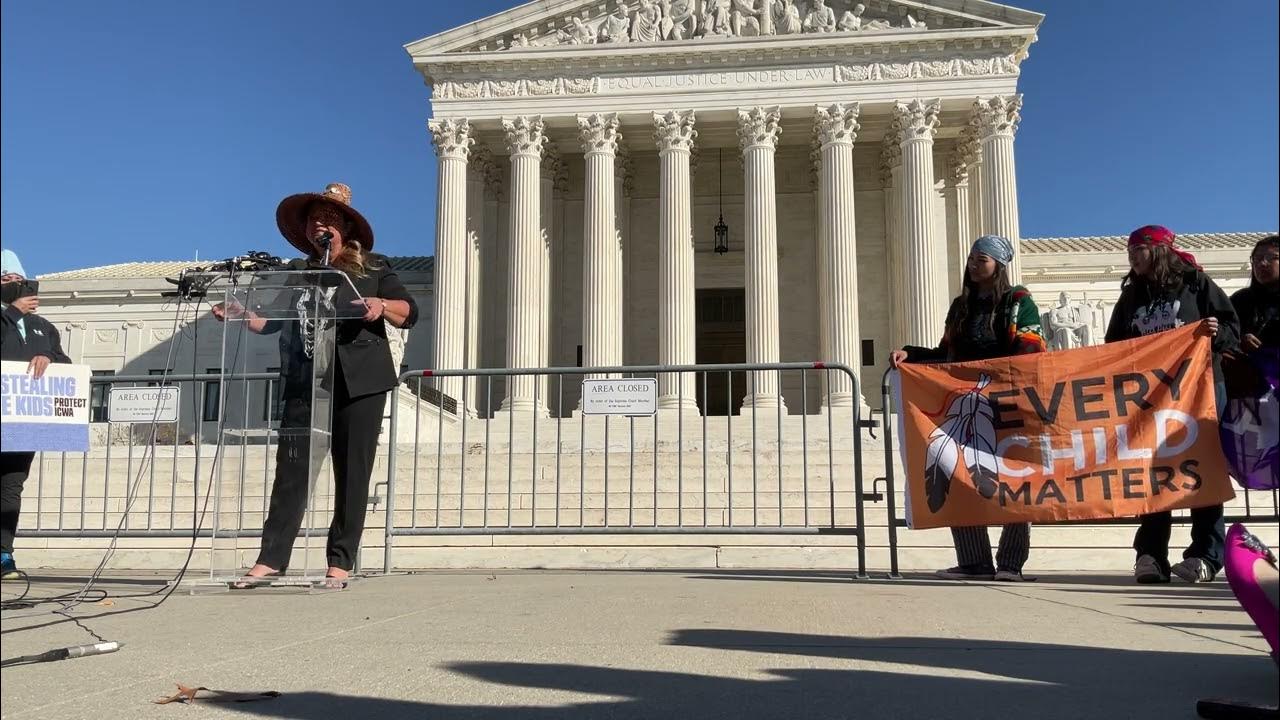
Haaland v. Brackeen
As Indian Country awaits arguments in Navajo Nation and Lac du Flambeau Band, all eyes are on the Supreme Court for a decision in Haaland v. Brackeen. Tribal leaders who attended the hearing on November 9 fear a negative ruling would set back decades of progress in keeping Indian children connected to their communities.
“Before Congress passed the Indian Child Welfare Act 45 years ago, Native children were being removed from their parents, their extended families, their communities by state child welfare authorities and private adoption agencies at terribly high rates,” Principal Chief Chuck Hoskin, Jr. of the Cherokee Nation said on the steps of the high court after the three-plus hour argument.
But since ICWA became law in 1978, tribes have been able to exercise sovereignty over their most precious resource: their children. They could lose their ability to be involved in adoptions, custody and placement proceedings at the state level.
“Losing ICWA would mean the loss of the gold standard,” Chairman Tehassi Hill of the Oneida Nation said after the hearing. “Many states have recognized the benefit of ICWA and have codified its principles and practices into their own laws — but that is not always the case. Tribes would lose a right to be notified of cases involving children from our communities and tribes would not be a part of the process of ensuring the best outcomes.”
Protecting children isn’t a partisan issue, Chairman Charles Martin of the Morongo Band of Mission Indians said in front of the Supreme Court. Regardless of the way the justices rules, he promised that tribes will continue to fight for their sovereign rights.
“We will not go back to a time when our children were stolen and taken away from their homes,” Martin said. “We will not go back to a time when we lost our voice and our power to protect our families.”
Related Stories
Search
Filed Under
Tags
More Headlines
Native America Calling: Tribes sue after feds redefine ‘harm’ in Endangered Species Act, upend decades of land conservation
AUDIO: Full Committee Markup – July 15, 2026
Native America Calling: Law, advocacy and redemption with Cherokee attorney Courtney Jordan
AUDIO: President Trump ‘terminating’ Bears Ears and Grand Staircase-Escalante National Monuments
Native America Calling: Tribal leaders condemn Trump’s downsizing of Utah national monuments
AUDIO: Innovative Technologies and Initiatives to Tackle the MMIP Crisis in Indian Country
Native America Calling: Native Playlist with Shub and Darksiderz
Press Release: Five Civilized Tribes call for oversight of prediction markets
Native America Calling: Strengthening the tribal workforce
NAFOA: 5 Things You Need to Know This Week (July 13, 2026)
Statement: Rep. Cole mourns passing of Sen. Lindsey Graham (R-South Carolina)
Chuck Hoskin: Cherokee Nation builds largest and best tribal healthcare system
Native America Calling: Tribal solar projects shine on without much federal support
Native America Calling: Native student discipline disparities persist at New Mexico school district
Indian boarding school healing efforts face challenges at national level
More Headlines
AUDIO: Full Committee Markup – July 15, 2026
Native America Calling: Law, advocacy and redemption with Cherokee attorney Courtney Jordan
AUDIO: President Trump ‘terminating’ Bears Ears and Grand Staircase-Escalante National Monuments
Native America Calling: Tribal leaders condemn Trump’s downsizing of Utah national monuments
AUDIO: Innovative Technologies and Initiatives to Tackle the MMIP Crisis in Indian Country
Native America Calling: Native Playlist with Shub and Darksiderz
Press Release: Five Civilized Tribes call for oversight of prediction markets
Native America Calling: Strengthening the tribal workforce
NAFOA: 5 Things You Need to Know This Week (July 13, 2026)
Statement: Rep. Cole mourns passing of Sen. Lindsey Graham (R-South Carolina)
Chuck Hoskin: Cherokee Nation builds largest and best tribal healthcare system
Native America Calling: Tribal solar projects shine on without much federal support
Native America Calling: Native student discipline disparities persist at New Mexico school district
Indian boarding school healing efforts face challenges at national level
More Headlines