Indianz.Com > News > SCOTUSblog: A ‘simple’ Indian law case before the U.S. Supreme Court
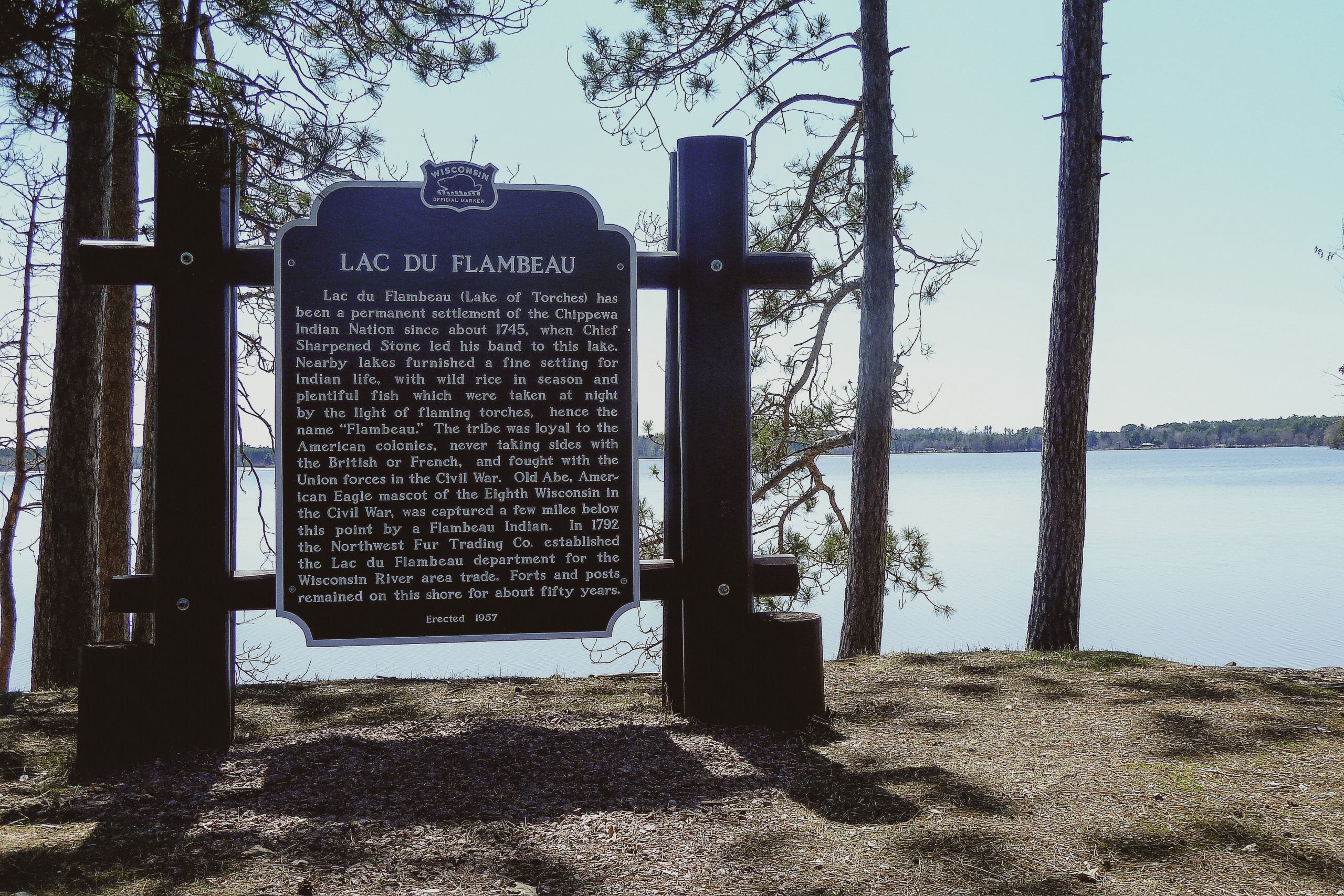
Justices to consider tribal immunity from bankruptcy process
Monday, April 24, 2023
SCOTUSblog
Monday’s arguments in Lac du Flambeau Band v Coughlin take the justices back once again to the question of tribal immunity. The specific question in this case is whether the Bankruptcy Code is sufficiently clear to abrogate the sovereign immunity of a federally recognized Indian tribe.
To put the dispute in context, two points of common agreement are important. First, although tribes start with sovereign immunity as a lingering relic of their existence before the Constitution, Congress has plenary authority to abrogate that immunity. Second, courts will read federal statutes to abrogate that immunity only when they speak to the point “unequivocal[ly].”
The relevant provision, the definition of “governmental unit” in the Bankruptcy Code, is undeniably broad, extending to include “United States; State; Commonwealth; District; Territory; municipality; foreign state; department, agency, or instrumentality of [any of the foregoing]; or other foreign or domestic government.” The question for the justices is whether that provision is broad enough to match that standard – does it “unequivocally” abrogate tribes’ sovereign immunity.

U.S. Supreme Court Documents
One major problem for the Band is the appearance of the United States as an amicus in support of Coughlin. The United States frequently appears as an amicus in support of the Native American side of questions like these, and only rarely appears in the Supreme Court opposing the interests of tribes in a dispute with states. I think the justices will read this as an acknowledgment that the federal government sees the Band’s side of the case as really quite weak. Perhaps an even bigger problem for the Band appears when you step back from the specific question before the court. The behavior in question would be intolerable if this was the United States, or the Federal Deposit Insurance Corporation, or the Small Business Administration. Or the state of Wisconsin (where the Band resides). It is easy to imagine Congress every now and then wanting to be deferential and respectful of tribal sovereignty. And it is also easy to imagine Congress occasionally treating the tribes as respectfully as they treat states. But what is not easy to imagine is writing a statute that abrogates sovereign immunity for the federal government and all of the states (as this one does) but gives tribes a free pass – treating the sovereignty of Native American tribes as categorically more august than the sovereignty of the United States and the individual states. That seems to me quite a hard sell. Against that backdrop, I will not be at all surprised if most of the justices on Monday think the statute is unequivocal in abrogating the immunity of the Band. I look forward to seeing what they have to say.
1st Circuit Court of Appeals Decision
Lac du Flambeau Band of Lake Superior Chippewa Indians v. Coughlin (May 6, 2022)Lac du Flambeau Band of Lake Superior Chippewa Indians v. Coughlin (Amended 6, 2022)
U.S. Supreme Court Documents
Question Presented: Lac du Flambeau Band of Lake Superior Chippewa Indians v. CoughlinDocket No. 22-227
Tribal Supreme Court Project Documents
Lac du Flambeau Band of Lake Superior Chippewa Indians v. Coughlin (sct.narf.org)
This article was originally published on SCOTUSblog, the Supreme Court of the United States Blog, on April 20, 2023. It is republished here under a Creative Commons license (CC BY-NC-ND 3.0 US).
Recommended Citation: Ronald Mann, Justices to consider tribal immunity from bankruptcy process, SCOTUSblog (Apr. 20, 2023, 6:49 PM), https://www.scotusblog.com/2023/04/justices-to-consider-tribal-immunity-from-bankruptcy-process/
Related Stories
Search
Filed Under
Tags
More Headlines
Native America Calling: Finding success through the art of contemporary horsemanship
Testimony: Stephanie Bryan, Poarch Band of Creek Indians
Testimony: Michell Hicks, Eastern Band of Cherokee Indians
Testimony: Mark Macarro, Pechanga Band of Indians
Testimony: Patricia Leach, Catawba Nation
Testimony: Bryan Mercier, Bureau of Indian Affairs
Senate Committee on Indian Affairs holds business meeting and legislative hearing
Native America Calling: How Indigenous voices adapt to rapidly-evolving media
Native America Calling: PBS documentary ‘Knowledge Keepers’ explores Native scientific innovations
Testimony: Alicia Puente Cackley, Government Accountability Office
Testimony: Hilary Atkin, Department of Housing and Urban Development
Testimony: Bryan Warner, Cherokee Nation
VIDEO: H.R.741 – Stronger Engagement for Indian Health Needs Act of 2025
VIDEO: H.R.6021 – Archie Cavanaugh Migratory Bird Treaty Clarification Act
Senate Committee on Indian Affairs takes up Native housing
More Headlines
Testimony: Stephanie Bryan, Poarch Band of Creek Indians
Testimony: Michell Hicks, Eastern Band of Cherokee Indians
Testimony: Mark Macarro, Pechanga Band of Indians
Testimony: Patricia Leach, Catawba Nation
Testimony: Bryan Mercier, Bureau of Indian Affairs
Senate Committee on Indian Affairs holds business meeting and legislative hearing
Native America Calling: How Indigenous voices adapt to rapidly-evolving media
Native America Calling: PBS documentary ‘Knowledge Keepers’ explores Native scientific innovations
Testimony: Alicia Puente Cackley, Government Accountability Office
Testimony: Hilary Atkin, Department of Housing and Urban Development
Testimony: Bryan Warner, Cherokee Nation
VIDEO: H.R.741 – Stronger Engagement for Indian Health Needs Act of 2025
VIDEO: H.R.6021 – Archie Cavanaugh Migratory Bird Treaty Clarification Act
Senate Committee on Indian Affairs takes up Native housing
More Headlines